The government today gave final approval to the drafts of the Prevention of Sexual Harassment at the Workplace and Educational Institutions Ordinance 2026 and the Domestic Violence Prevention Ordinance 2026 aimed at safeguarding the women’s rights at home and workplace.
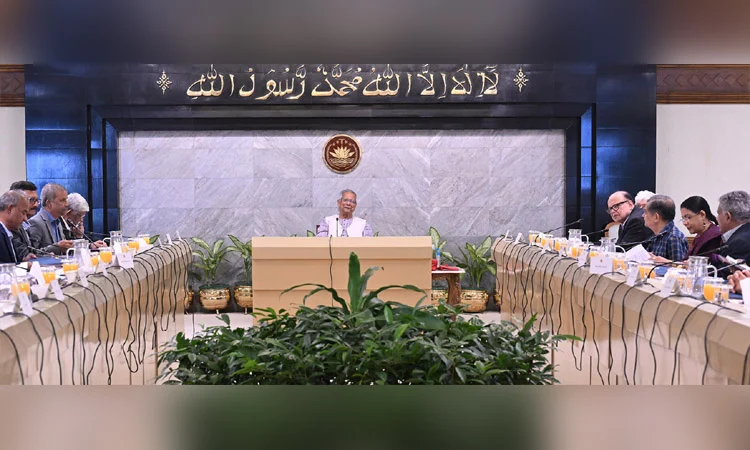
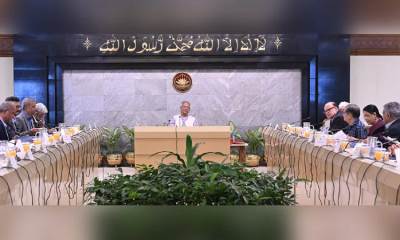
The Council of Advisers gave the approval to the two landmark laws at its weekly meeting at the Chief Adviser’s Office in the city. Chief Adviser Professor Muhammad Yunus chaired the meeting.
Later, Chief Adviser’s Assistant Press Secretary Shuchismita Tithi explained the two ordinances at a briefing at the Foreign Service Academy here this afternoon. CA’s Press Secretary Shafiqul Alam, Deputy Press Secretary Mohammad Abul Kalam Azad Majumder and Senior Assistant Press Secretary Foyez Ahammad were also present at the briefing.
Explaining the Prevention of Sexual Harassment at the Workplace and Educational Institutions Ordinance 2026, Tithi said the law, formulated under the Ministry of Women and Children Affairs, is consisted of four chapters and 20 sections.
She said a key and important feature of this law is that sexual harassment has been comprehensively defined to include physical, verbal, mental, suggestive, and digital-space behaviour.
Noting that women are routinely subjected to severe sexual harassment in digital spaces, Tithi said this ordinance directly addresses that reality.
Under the ordinance, a women-led committee will be formed, which will receive complaints verbally, in writing, or online, she said, adding that investigations must be completed within 90 days after receiving a complaint.
The ordinance places emphasis on ensuring the safety and psychological support of complainants, and provides special measures for children and persons with disabilities, recognizing their heightened vulnerability, Tithi said.
Noting that the law gives priority to ensuring complete confidentiality during investigations, she said depending on the severity of the offence, punishment provisions include warnings, suspension or dismissal from service, expulsion, and compensation.
If an allegation is proven to be false, provisions for punishment for the complainant are also included, the assistant press secretary said.




-20260129125550.webp)

-20260129100919.webp)






-20260125075255.jpeg)





-20260123074428.jpeg)