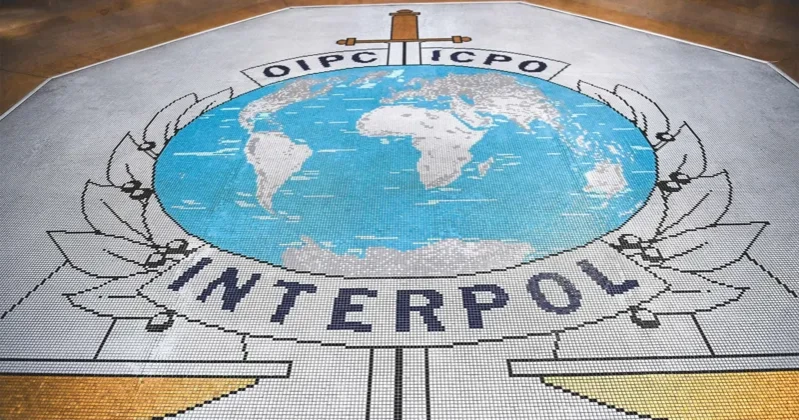
Leaked files from Interpol have revealed that Russia has allegedly been abusing the international policing agency’s wanted lists to pursue critics living abroad, including political opponents, journalists and business figures, according to an investigation by the BBC World Service and French outlet Disclose.
Thousands of documents provided by an Interpol whistleblower indicate that Moscow has repeatedly sought arrest requests through red notices and red diffusions, often claiming ordinary criminal offences against individuals who critics say are being targeted for political reasons.
Analysis of the leaked data shows that over the past decade, Interpol’s independent complaints body, the Commission for the Control of Interpol’s Files (CCF), received more complaints related to Russia than any other country. The number was nearly three times higher than the next country on the list, Turkey. The data also suggests that complaints against Russian requests were overturned more frequently than those from any other nation.
Interpol tightened scrutiny of Russian requests after Moscow launched its full-scale invasion of Ukraine in 2022. However, the leaked documents suggest those measures failed to prevent continued misuse, and some additional safeguards were quietly eased in 2025, according to the whistleblower.
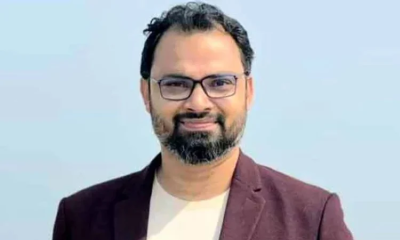
One of those affected is Igor Pestrikov, a Russian businessman who fled the country in 2022 and later discovered he was placed on an Interpol wanted list. He said the notice disrupted his life, freezing bank accounts and forcing his family to relocate. After nearly two years, Interpol’s watchdog ruled his case was predominantly political and cancelled the request.
The files also show Russia used Interpol’s internal messaging system to seek information on critics even when formal arrest requests were denied. Among them was journalist Armen Aramyan, who fled Russia after being convicted over reporting linked to opposition protests.
Interpol said it has strengthened safeguards against misuse and denied prioritising police cooperation over preventing abuse. Russia’s interior ministry did not respond to requests for comment.
Legal experts said the revelations highlight long-standing weaknesses in Interpol’s system and called for tougher action, including suspending countries found to be repeatedly abusing its mechanisms.

-20260405063454.webp)


-20260403072454.webp)








-20260401064827.jpg)