
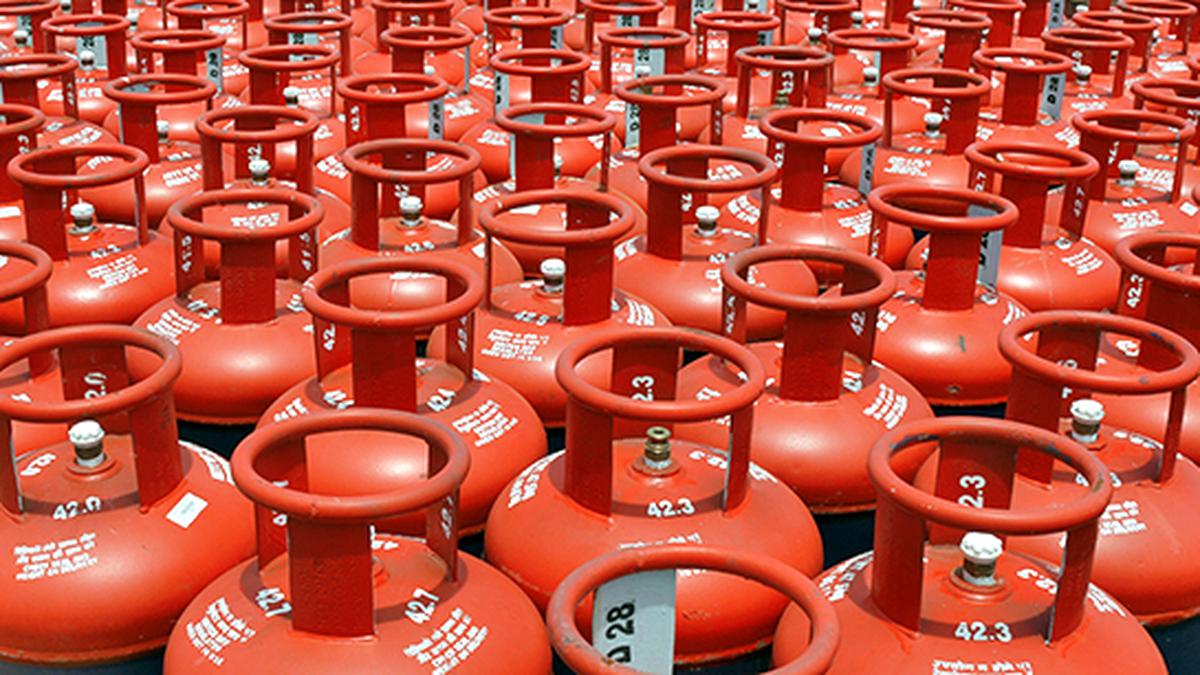
Bangladesh Energy Regulatory Commission (BERC) has raised the price of a 12-kg LPG cylinder by Tk 53 to Tk 1,306 for January, but admitted it cannot guarantee retailers will follow the official price.
BERC announced the new prices at its Ramna office in the afternoon, which came into effect from 6pm the same day.
Under the revised rates, the price of a 12kg LPG cylinder has been increased to Tk 1,306 from Tk 1,253. The last adjustment was made on December 2, when the price was raised by Tk 38.
The commission has also increased the price of autogas. For January, the VAT-inclusive retail price of autogas has been set at Tk 59.80 per litre, up by Tk 2.48.
In December, autogas was priced at Tk 57.32 per litre after a hike of Tk 1.74.
Despite the official price of Tk 1,253 in December, LPG was sold at more than double the rate in many retail markets, with a shortage of 12kg cylinders reported. Consumers were forced to pay between Tk 2,500 and Tk 2,800 per cylinder.
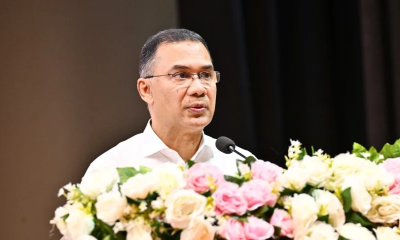
Addressing concerns over enforcement, BERC Chairman Jalal Ahmed said the commission cannot guarantee that the announced prices will be followed at the retail level.
“We cannot ensure that the declared price will be strictly maintained by retailers. However, the operators’ association has committed to complying with the price,” he said.
He said the Directorate of National Consumer Rights Protection is conducting market drives, noting that he personally spoke with the director general to intensify enforcement. Action will be taken if allegations arise of charging higher prices at the producer level, he said.
The BERC chairman also claimed that producers are selling LPG at the regulated price, while acknowledging supply-side constraints. “There is a supply-side problem and there is a shortage — that is true. We will again urge stakeholders so that no allegations arise,” he said.
Meanwhile, LPG operators said gas shortages have emerged due to delays in opening letters of credit (LCs) on time and a lack of vessels. They alleged that retailers are exploiting the situation by selling LPG at inflated prices to maximise profits.
The latest price adjustment comes amid growing consumer frustration over persistent market irregularities in the energy sector, particularly the widening gap between regulated and actual retail prices.











-20260904064352.webp)











-20260828120358.webp)