A newly released trove of US Justice Department documents linked to investigations into Jeffrey Epstein has named a wide range of powerful men, including tech billionaires, former heads of state, royalty and senior political figures, renewing scrutiny of their past associations with the disgraced financier.
None of those named have been charged with crimes connected to Epstein’s sexual abuse of girls and young women, and all have denied involvement in his crimes. However, the files show that several maintained friendships or contacts with Epstein even after allegations against him became widely known. Epstein died by suicide in a New York jail in 2019 while awaiting trial on federal sex trafficking charges.
Among the most prominent figures is Andrew Mountbatten-Windsor, formerly Britain’s Prince Andrew, whose name appears hundreds of times in the documents, including in Epstein’s private emails. He has long faced allegations from the late Virginia Giuffre that she was trafficked by Epstein and forced to have sex with him when she was 17, claims he has repeatedly denied. Late last year, King Charles III stripped him of his remaining royal titles.
The files also include references to Sarah Ferguson, Andrew’s former wife, who publicly apologised in 2011 for allowing Epstein to help pay off her debts. Emails show she later sought Epstein’s advice on handling media questions about their relationship, despite earlier pledging to cut all ties with him.
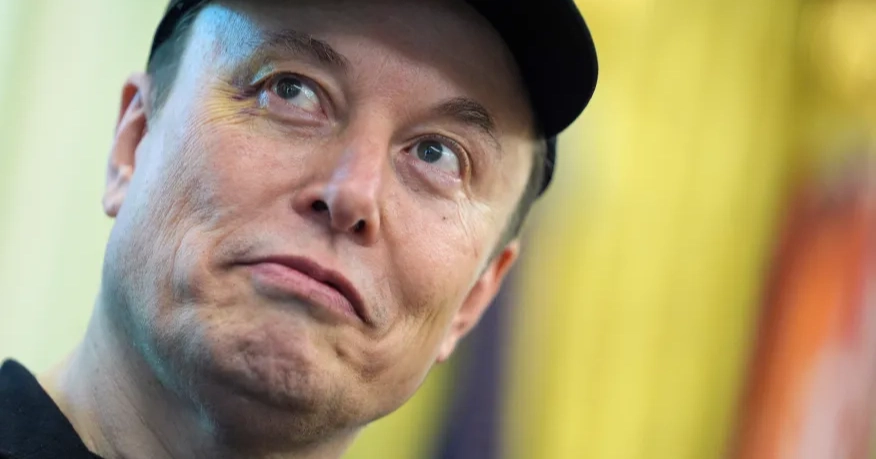
Billionaire entrepreneur Elon Musk appears several times in emails discussing possible visits to Epstein’s Caribbean island in 2012 and 2013, though it remains unclear whether any visit took place. Musk has said he repeatedly rejected Epstein’s invitations. Companies linked to him did not respond to requests for comment.
Virgin Group founder Richard Branson exchanged numerous emails with Epstein, including invitations to Branson’s own Caribbean island. Branson’s company said there was no wrongdoing, stressing that any contact was limited to business or group settings and ended once serious allegations against Epstein became clear.
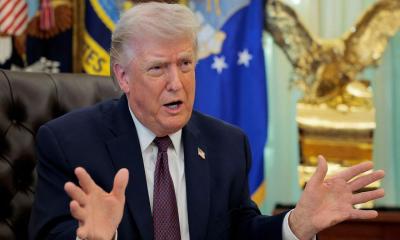
The documents contain thousands of references to US President Donald Trump, largely involving shared news articles, political commentary and gossip. A Justice Department summary of tip-line calls alleging misconduct by prominent figures, including Trump, noted that many claims were unsubstantiated and deemed not credible by investigators.
Former US President Bill Clinton, who previously acknowledged traveling with Epstein decades ago, is also referenced. His representatives say he severed ties after Epstein faced criminal charges in 2006. No Epstein victim has publicly accused Clinton of wrongdoing.
Other figures named include Steven Tisch, co-owner of the New York Giants, who acknowledged exchanging emails with Epstein about adult women but denied any illegal conduct; film director Brett Ratner, who appears in photographs with Epstein and others; and Casey Wasserman, head of the Los Angeles 2028 Olympics organising committee, who exchanged flirtatious emails with Epstein associate Ghislaine Maxwell and later expressed regret.
Former Israeli Prime Minister Ehud Barak is shown to have stayed in contact with Epstein for years, including after his 2008 conviction. Barak has said he never witnessed any inappropriate behaviour. Larry Summers, former US Treasury secretary and ex-Harvard president, is also cited frequently, later describing his interactions with Epstein as a serious error of judgment.
Howard Lutnick, US Commerce Secretary under President Trump, appears in records showing visits to Epstein’s island with his family, though the Commerce Department said his interactions were limited and he has not been accused of wrongdoing. Google co-founder Sergey Brin, former Trump adviser Steve Bannon and several other political and business figures are also referenced.
The files further reveal that Miroslav Lajcak, Slovakia’s national security adviser and a former foreign minister, resigned after his past contacts with Epstein emerged. He has said the interactions were related to diplomatic duties and denied any misconduct.
US officials have stressed that being named in the documents does not imply criminal behaviour. The Associated Press, along with other media organisations, is continuing to review the files as part of a collaborative examination of the newly released records

-20260403072454.webp)

-20260401064827.jpg)

-20260403095942.webp)
-20260403095538.webp)











-20260329045934.webp)