

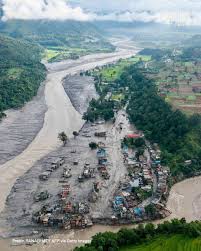
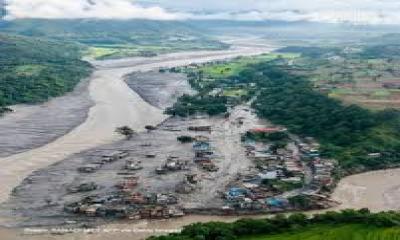
India has intensified monitoring of glaciers and glacial lakes in its Himalayan regions bordering Nepal and China following the deadly floods and landslides that left nearly 3,000 people missing across the region.
Authorities in Uttarakhand, which has 1,266 glacial lakes, have instructed teams to remain vigilant for signs of a similar disaster and closely monitor vulnerable areas.
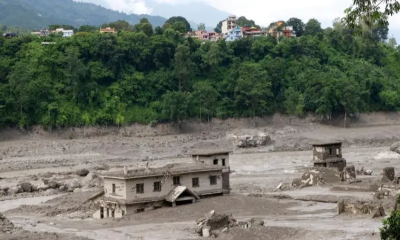
The move comes after Wednesday’s catastrophe along the Tibet-Nepal border, where a massive torrent of water, ice and debris swept through villages and infrastructure.
The US Geological Survey said the disaster was apparently triggered by a glacial collapse.
Madan Kaushik, Uttarakhand’s state disaster management minister, said officials had been asked to monitor glaciers and known glacial lakes across the state because of its geographical similarity to the affected areas.
“We have asked our teams to be vigilant and monitor if a similar situation is emerging anywhere in the state,” he told AFP.
The disaster has heightened concerns over the growing risks posed by unstable Himalayan glaciers and glacial lakes.
While the precise cause of the collapse remains unclear, scientists have warned that climate change is accelerating glacier melt and increasing the likelihood of sudden floods and other hazards in mountain regions.
Himalayan glaciers are a crucial source of water for nearly two billion people. Their rapid retreat, combined with thawing permafrost, can also weaken mountain slopes and raise the risk of landslides.
Experts have warned that climate change and poorly planned development are together making disasters in the Himalayan region more frequent, severe and destructive.


-20260829064039.jpeg)
-20260829062930.jpeg)

-20260828120358.webp)










-20260824112248.jpg)
-20260823124453.webp)