
India has said issues surrounding the Ganga Water Treaty will be addressed through the bilateral Joint Rivers Commission (JRC), as Bangladesh seeks New Delhi’s response on renewing the agreement set to expire in December.
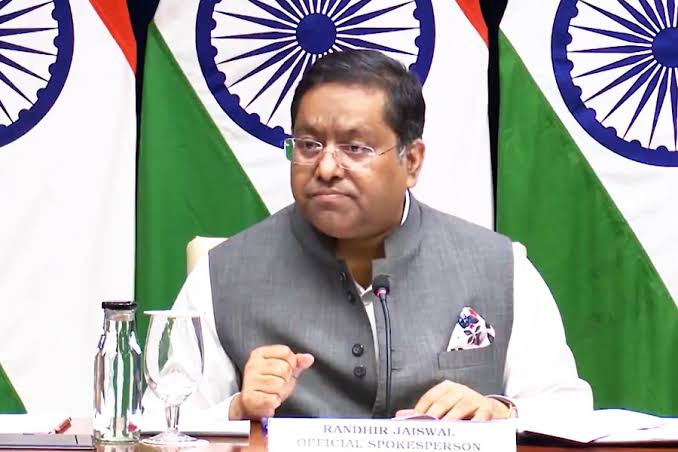
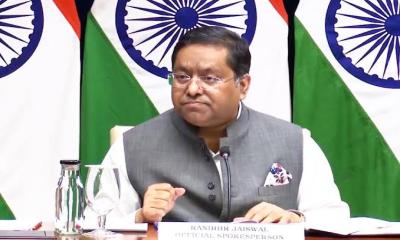
Indian Ministry of External Affairs spokesperson Randhir Jaiswal said the 1996 treaty, signed for 30 years, covers water-related issues that are discussed under the JRC framework. He also said meetings of the Joint Committee on the Ganga Water Treaty are continuing at the technical level.
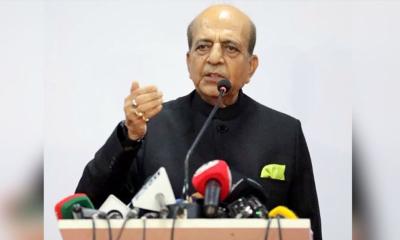
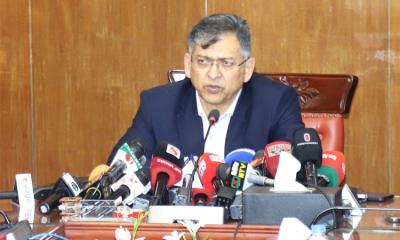
Bangladesh has already taken steps towards negotiating a new agreement. Foreign Minister Dr Khalilur Rahman told Parliament on Thursday that a team had been formed to prepare a new treaty and that India had been informed of Dhaka’s position. Bangladesh is now awaiting a response from New Delhi.
The Ganga Water Treaty, signed in 1996, governs the sharing of Ganges waters between the two countries and is due to expire in December this year.
Khalilur has said Bangladesh wants a new or revised agreement that protects the country’s fair share of water and addresses the essential needs of its people.
Speaking on the sidelines of the ninth Indian Ocean Conference in Mauritius, the foreign minister said the two countries needed a durable arrangement that could command public trust and provide a foundation for bilateral relations in the coming decades.
Experts have also called for a comprehensive review of the existing treaty before negotiations begin on its renewal.
They said Bangladesh should involve economists, urban planners, sociologists and environmental experts in developing its negotiating position, given the wider environmental and socioeconomic risks associated with water sharing.
Prof Shahab Enam Khan, executive director of the Bangladesh Center for Indo-Pacific Affairs, said the treaty needs to be revised because it was negotiated nearly three decades ago and no longer fully reflects present-day realities.
The renewed negotiations come as Bangladesh seeks to secure its water rights while India has indicated that the issue will remain within the existing bilateral mechanism of the Joint Rivers Commission.







-20260829064039.jpeg)
-20260829062930.jpeg)

-20260828120358.webp)
-20260824112248.jpg)
-20260823124453.webp)