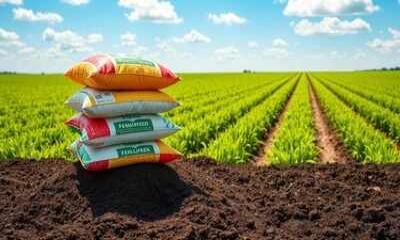


Global fertiliser trade has fallen sharply this year as rising geopolitical tensions, export restrictions and soaring production costs disrupt supplies critical to agricultural production worldwide.
A new assessment by the United Nations Food and Agriculture Organization (FAO) shows that international fertiliser shipments declined significantly during the first months of 2026, raising concerns over potential impacts on food production and farming costs.
According to the report, uncertainty in energy and commodity markets following the Middle East conflict has pushed fertiliser prices sharply higher.
The disruption of key shipping routes and reduced access to essential raw materials have further strained global supply chains.
Several major fertiliser-producing countries have also introduced export controls to protect domestic markets, limiting the amount of product available to international buyers.
As prices climbed, many farmers postponed purchases or reduced fertiliser use altogether, contributing to a substantial decline in global trade volumes.
FAO data indicate that average fertiliser prices rose by around 25 percent between February and May.
During the same period, global trade volumes dropped markedly compared with the corresponding period last year.
The agency warned that market pressures could persist even if shipping conditions improve. Supplies of nitrogen, phosphate and sulphur-based fertiliser products are expected to remain tight, while prices may stay elevated for an extended period.
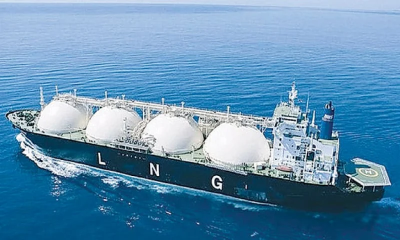
Before the recent conflict, a significant share of the world`s fertiliser trade relied on routes passing through the Strait of Hormuz, a key maritime corridor for both raw materials and liquefied natural gas used in fertiliser manufacturing.
Agricultural experts caution that prolonged supply disruptions could create challenges for farmers during upcoming planting and growing seasons, particularly in countries heavily dependent on imported fertiliser.
The FAO said continued market instability may affect crop production costs globally, underscoring the importance of maintaining reliable supply chains for agricultural inputs.