

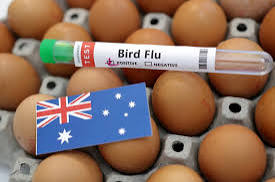
Australia has confirmed its first detection of the H5 strain of bird flu, marking the last continent to report the highly contagious virus and highlighting its continued global spread.
The discovery was made in a migratory brown skua in a remote part of Western Australia, with laboratory testing confirming the presence of the virus.
Authorities are also investigating a suspected case involving a giant petrel found in the same region.
Australian Agriculture Minister Julie Collins said the detection was concerning but not unexpected, given the rapid international spread of the H5 avian influenza strain in recent years.
Despite the discovery, officials stressed that there is currently no evidence of outbreaks among poultry farms or signs of large-scale bird deaths linked to the virus within Australia.
The confirmation has prompted animal health and agricultural authorities to hold emergency discussions on response measures aimed at monitoring and limiting the disease`s spread.
Prime Minister Anthony Albanese said the government had been preparing for the possibility of the virus reaching Australia through migratory bird populations and would continue taking precautionary steps to protect the country`s agriculture and wildlife sectors.
The H5 strain has caused significant losses to poultry industries and wild bird populations worldwide.
The virus has also infected a range of mammals in different countries, raising concerns among animal health experts.
Species most vulnerable to the disease include seabirds, waterfowl, shorebirds and birds of prey.
In recent outbreaks elsewhere, infections have also been recorded in marine mammals and several domesticated animals.
The announcement comes just days after researchers reported that the virus was linked to the deaths of more than 13,000 elephant seal pups at a breeding colony on a remote sub-Antarctic island under Australian administration.
Health and wildlife authorities are continuing surveillance efforts while urging the public to report sick or dead wild birds to relevant agencies as part of ongoing monitoring programmes.
The arrival of the H5 strain in Australia marks a significant development in the global bird flu situation and underscores growing concerns about the virus`s impact on wildlife, agriculture and biosecurity.

-20260904064352.webp)






















-20260828120358.webp)