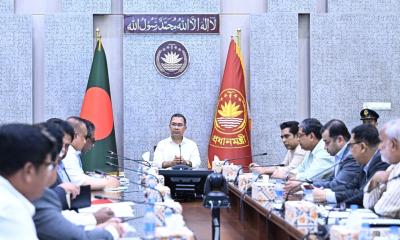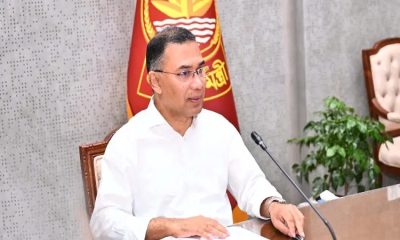

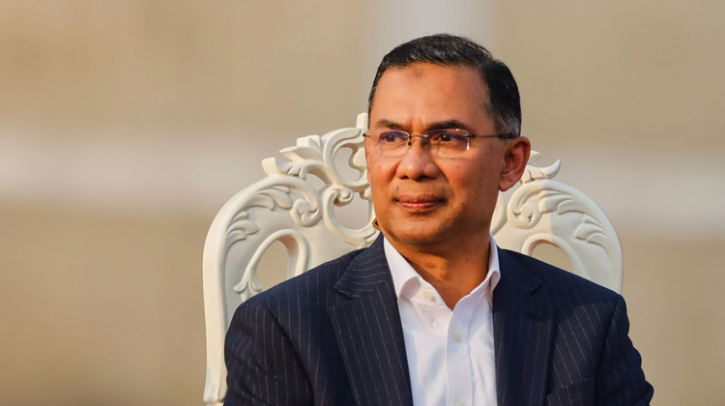
Prime Minister Tarique Rahman is likely to visit New Delhi next week, NDTV has reported. Citing multiple sources in Dhaka and New Delhi, the report said preparations are underway in both countries for the possible visit.
If the visit goes ahead as planned, it would be Tarique Rahman’s first visit to India as Bangladesh’s prime minister. He is expected to meet Indian Prime Minister Narendra Modi, with talks likely to cover a range of bilateral issues, including trade, connectivity, energy, border management and regional security.
According to NDTV, the prime minister could visit India in the second half of next week, between August 20 and 23. The two-day visit is being planned as a bilateral engagement. However, the dates and schedule have yet to be finalised, sources familiar with the matter said.
India invited Tarique Rahman to visit New Delhi shortly after he took office in February. Bangladesh has also been invited to attend the BRICS summit scheduled to be held in the Indian capital in September.
Tarique Rahman’s electoral victory and subsequent assumption of power have brought changes to Bangladesh’s political landscape. At the same time, India has had to reassess its relations with Dhaka.
Tensions between the two countries emerged after the fall of the Awami League government in the student-led mass uprising in August 2024, when Sheikh Hasina left Bangladesh for India. Differences have since emerged between New Delhi and Dhaka over several issues, including Hasina’s presence in India and Bangladesh’s request for her extradition.
The new BNP government, however, has said it is keen to work with India. Diplomatic engagement between the two countries has also increased in recent months. In April, Bangladesh Foreign Minister Khalilur Rahman visited New Delhi and met his Indian counterpart, S. Jaishankar.
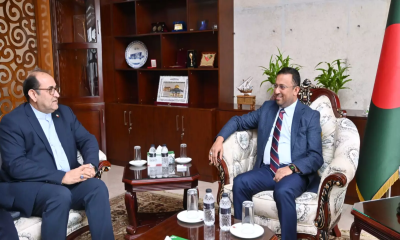
On August 10, Indian High Commissioner to Bangladesh Dinesh Trivedi met Tarique Rahman in Dhaka. The meeting focused on ways to improve the environment for bilateral relations.
Sheikh Hasina has been in India since leaving Bangladesh on August 5, 2024. After Bangladesh’s International Crimes Tribunal sentenced her to death for crimes against humanity, Dhaka formally asked New Delhi to extradite her. India has said it is examining the request through established legal and diplomatic processes.
Earlier this month, Sheikh Hasina participated virtually in an interaction with journalists in Delhi, triggering fresh controversy. Dhaka responded angrily, saying India should not allow its territory to be used for political activities against Bangladesh. New Delhi, however, said it had no involvement in organising the event.
Citing sources familiar with the matter, NDTV reported that the issue of Hasina’s extradition also came up during Tarique Rahman’s recent meeting with the Indian high commissioner. Practical issues such as trade and transit, energy cooperation, border management and regional connectivity are also expected to receive significant attention.
India and Bangladesh share a long land border as well as extensive economic and transport links. A positive shift in political relations could therefore have an impact on these areas as well.
Water sharing could also come up in the discussions. The 1996 Ganges Water Sharing Treaty is due to expire in December, making its renewal a potentially important issue in the talks.
Stable relations with Bangladesh are also important for India. In addition to their shared border, Bangladesh’s strategic geographic position and its connectivity with India’s northeastern states make the country particularly significant to New Delhi.