
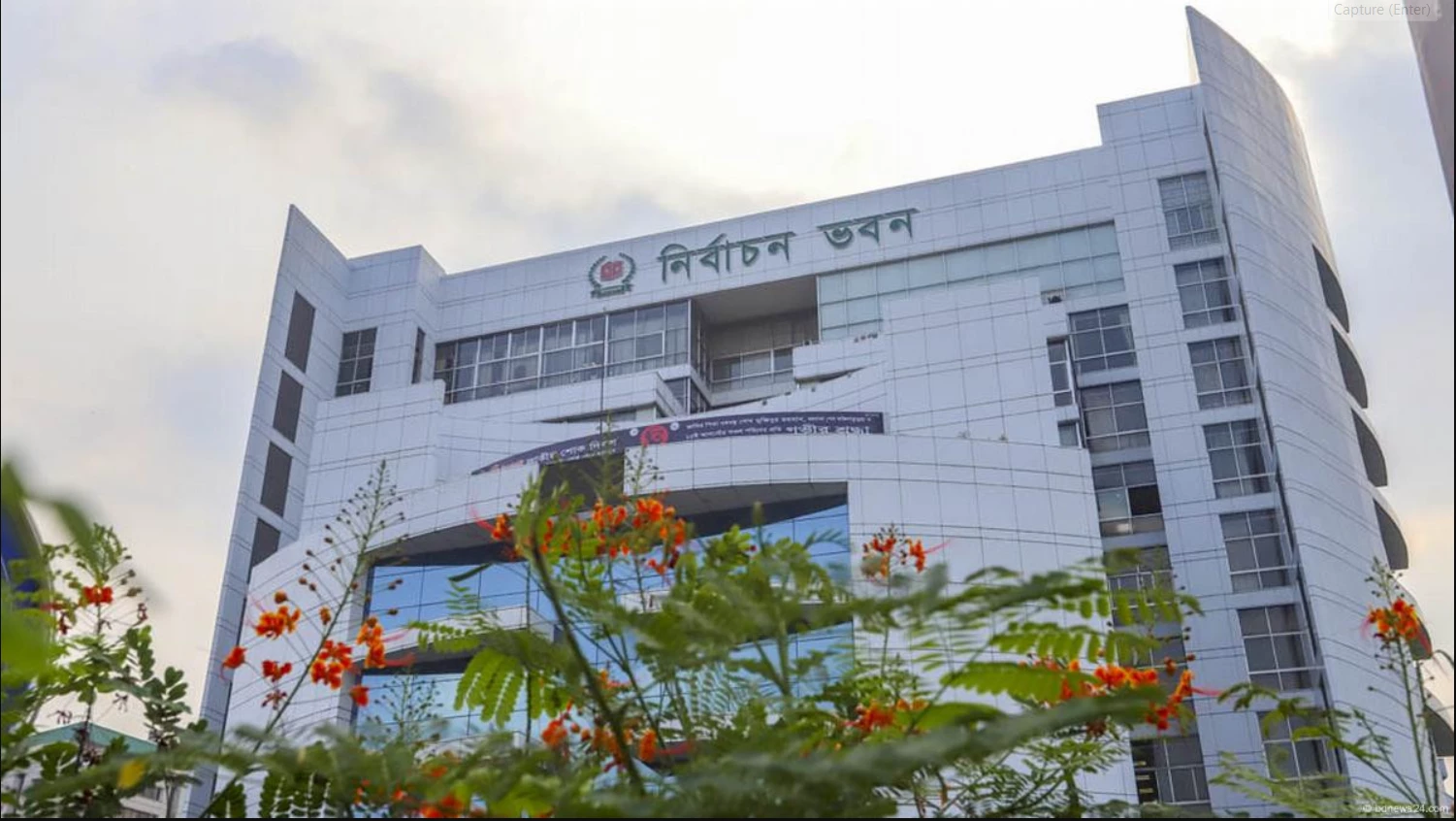
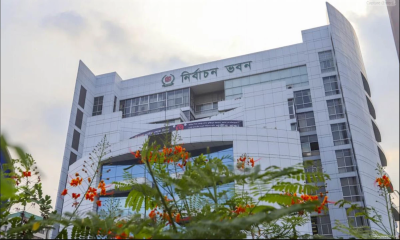
Ahead of the upcoming Upazila Parishad elections, the Election Commission (EC) has issued a new Upazila Parishad Election Code of Conduct 2026. The new rules ban the use of posters in election campaigns and impose strict restrictions on processions and showdowns, the use of helicopters, access to government facilities, and the use of artificial intelligence (AI) to disseminate misleading or hateful content.
The new code was gazetted on September 3 and signed by Election Commission Senior Secretary Akhtar Ahmed.
The new code of conduct also places restrictions on the campaigning methods and expenditure of candidates and their supporters in the Upazila Parishad elections. It also allows for the cancellation of a candidate’s candidature if allegations of violating the code are proven. Violations of the rules may carry a maximum penalty of six months’ imprisonment and a fine of Tk 50,000, or both.
One of the major changes in the new code is the ban on posters during election campaigns. No candidate, or anyone campaigning on their behalf, may use posters. Restrictions will also apply to the use of campaign materials on buildings, walls, trees, fences, electricity poles, government structures, bridges and culverts, among other places.
From the announcement of the election schedule until the election results are published in the gazette, public processions will not be allowed. Processions or rallies using trucks, buses, motorcycles, boats and trains, among other vehicles, have also been prohibited. The use of helicopters or any other aircraft for election campaigning is likewise banned.
However, candidates will be allowed to campaign through social media and other digital platforms. Before launching such campaigns, candidates must inform the returning officer about the platforms they intend to use. Expenditure on social media campaigns will also have to be included in their election expenditure statements.
The new rules include specific provisions to prevent the misuse of artificial intelligence in digital campaigning. Candidates, or anyone campaigning on their behalf, will not be allowed to disseminate false, misleading, hateful or personally abusive statements.
The creation or dissemination of content that could undermine the election environment has also been prohibited. AI may not be used to create or circulate fake or misleading content of this nature.
There is also a ban on giving voters money, food, drinks or gifts in an attempt to influence them.
Election campaigns will not be allowed at religious places of worship, educational institutions or government offices. The misuse of religion, the use of muscle power, and defamatory or character-assassination campaigns against any candidate will also be prohibited.
Candidates will not be allowed to use government facilities for election campaigning. The use of government vehicles, publicity equipment or any other public resources for election purposes is prohibited. Similarly, restrictions will apply to the participation of government officials, employees and other important public figures in election campaigns.
Candidates will also not be allowed to hire or use vehicles to transport voters to or from polling centres on election day. The code also sets specific rules governing the establishment of campaign camps and the use of loudspeakers, including restrictions on locations and limits prescribed under the regulations.
The new code also strengthens the Election Commission’s powers. If the Commission finds that a candidate or their election agent has violated, or attempted to violate, the code of conduct, it may investigate the matter and take appropriate action.
If the allegations are proven, the Election Commission may cancel the candidature of the concerned candidate in serious cases.
Exceeding the prescribed election expenditure limit, attempting to influence voters through money or muscle power, and using government facilities for election campaigning will also be treated as punishable offences.
The Election Commission said the main objective of the new code is to make Upazila Parishad elections more free, fair and competitive while ensuring a level playing field for all candidates.
In particular, the bans on posters, processions and showdowns, along with provisions aimed at preventing AI-driven disinformation in digital campaigning, could bring significant changes to the way candidates campaign in this year’s Upazila elections.





-20260906063831.webp)