

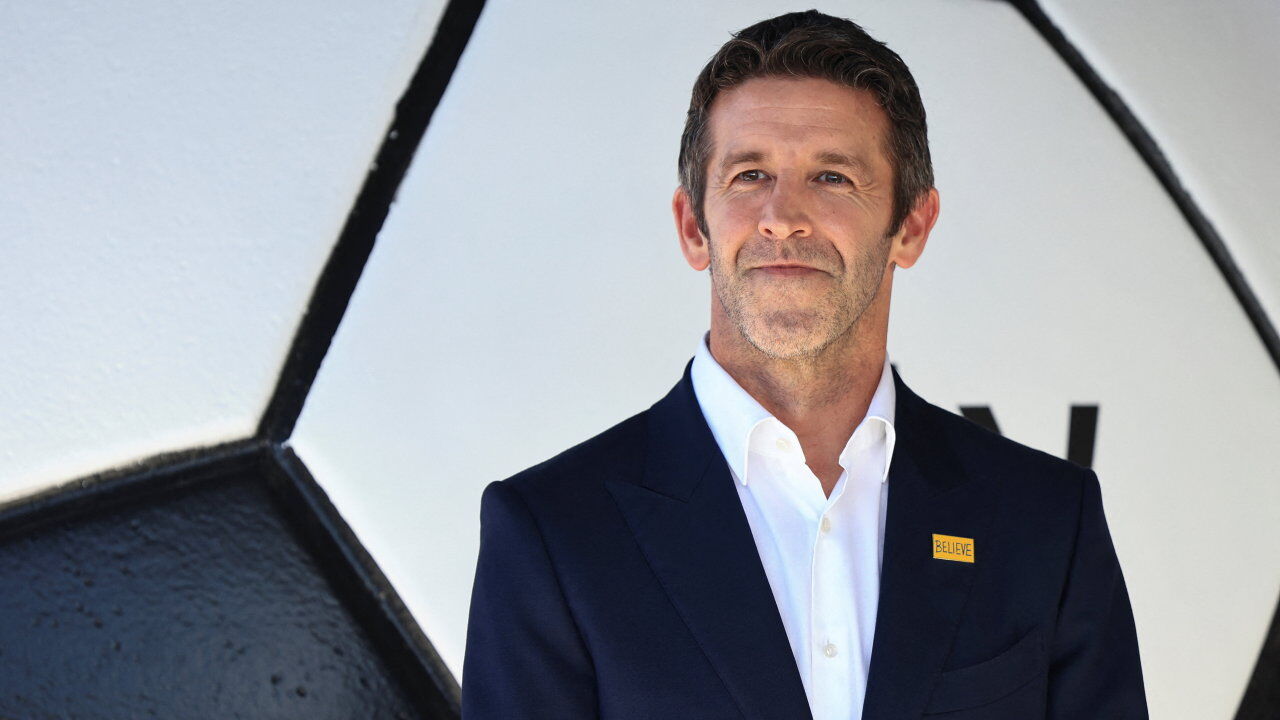
John Ternus takes charge as Apple’s new CEO on Tuesday, inheriting the world’s most valuable technology brands at a time when the company faces growing pressure to catch up in artificial intelligence while managing its deep manufacturing ties with China.
Ternus, 51, succeeds Tim Cook, ending Cook’s 15-year tenure as chief executive. An engineer who has led Apple’s hardware development, Ternus now faces the challenge of defining the company’s next era while preserving the strengths built under Cook.
Ternus joined Apple in 2001 and rose to senior vice president of hardware engineering, overseeing teams responsible for the company’s major products, including the iPhone, which remains Apple’s biggest source of revenue.
His appointment comes as Apple trails several major rivals in AI. Investors and analysts will be watching closely to see whether the new CEO prioritises hardware innovation while accelerating Apple’s AI strategy.
Ternus will have little time to settle into the role. Apple’s annual iPhone event is scheduled for September 9, where the company is expected to unveil its first foldable iPhone. The launch will provide an early test of the new leadership.
Analysts say Ternus is likely to build on the hardware expertise that made him one of Apple’s key engineering leaders rather than radically changing a business that remains highly successful.
His biggest challenge outside product development could be geopolitical. Apple still relies heavily on China for manufacturing and remains deeply exposed to the country as a major consumer market, despite gradually shifting some production to India and Vietnam.
The relationship with Washington will add another layer of difficulty. US President Donald Trump has repeatedly pressured Apple to manufacture iPhones domestically and threatened tariffs on products made overseas.
Cook was widely credited with navigating the competing demands of Washington and Beijing while maintaining Apple’s complex global supply chain. Ternus, by contrast, has limited experience operating on that geopolitical stage.
Cook will remain closely involved as Apple’s executive chairman, with the company saying his new role will include engaging policymakers around the world.
Ternus holds a bachelor’s degree in mechanical engineering from the University of Pennsylvania and previously worked as an engineer at Virtual Research Systems before joining Apple.
Within Apple, he has been credited with improving the durability and reliability of products and helping develop designs aimed at reducing their environmental impact.
The leadership transition therefore comes down to a central question: whether an engineer known primarily for building Apple’s hardware can successfully lead the company through its increasingly complex AI and geopolitical challenges.














-20260824112248.jpg)



-20260828064640.webp)