
The United States and Iran traded fresh threats on Wednesday as heavy fighting across the Middle East pushed the six-month-old conflict into another dangerous phase, with Washington warning of more attacks and Tehran vowing a new strategy against its adversary.
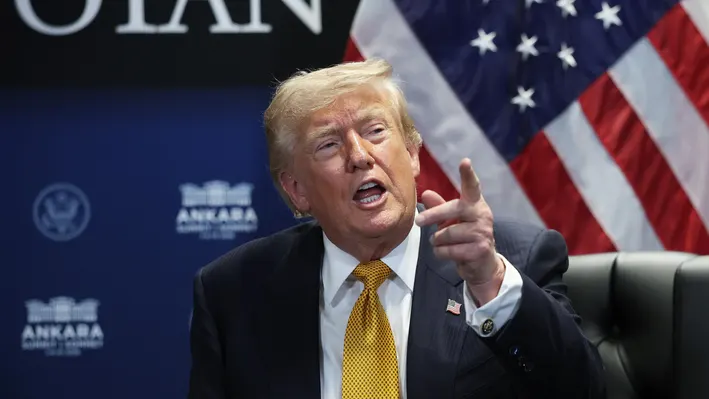
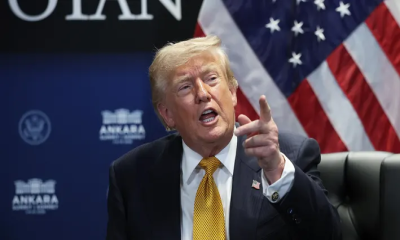
US President Donald Trump said American forces had carried out a “very heavy attack” on Iranian targets overnight and warned that Washington could launch another strike whenever it chooses. Iran, meanwhile, said it was adopting a new approach on the battlefield, diplomatically and in response to the economic pressure imposed by the United States.
Iranian forces retaliated by targeting US military positions in Jordan, the United Arab Emirates, Kuwait, Bahrain and Iraq’s autonomous Kurdistan region. The attacks followed an extensive US bombardment of targets inside Iran on Tuesday.
The latest escalation has also raised fresh concerns over the Strait of Hormuz, a critical global oil route that Iran has effectively blocked for months. Trump even floated renaming the waterway “Trump Strait” in a social media post, although he later appeared to suggest he was not being serious.
Washington is also preparing to tighten economic pressure on Tehran. US Energy Secretary Chris Wright said expanded sanctions against countries and entities maintaining economic ties with Iran would apply “maximum pressure”.
Tensions rose further after Iran’s Red Crescent said a US strike hit a wedding in the southern city of Sirik, killing four people, including a child, and injuring more than 50. Iranian officials condemned the attack, while the US military said it does not target civilians.
Iran’s top negotiator Mohammad Bagher Ghalibaf accused Washington of acting like “Satan” over the incident. Iranian officials also released images showing damage at what they identified as the wedding venue.
The latest fighting follows US strikes on Iranian targets on Sunday, the first known American attacks in several weeks. Trump said those strikes were retaliation for an alleged Iranian attempt to place mines in the Strait of Hormuz and missile attacks on a US base in Jordan.
The renewed violence has also affected commercial shipping. Two oil tankers were struck in separate incidents, according to a Saudi shipping company, with two Filipino sailors reportedly killed.
The conflict began on February 28 with US and Israeli attacks on Iran that killed Supreme Leader Ayatollah Ali Khamenei. A fragile ceasefire later broke down following attacks on commercial vessels in the Strait of Hormuz, through which roughly one-fifth of global oil supplies previously passed.
Amid the renewed confrontation, some Iranians have expressed concern about the mounting human cost and called for a return to negotiations.
Israel, meanwhile, has warned that it is prepared to respond with “great force” if Iran launches attacks during the Jewish high holiday season beginning in mid-September.








-20260828064640.webp)




-20260828120358.webp)