
-20260218060047.jpeg)
India has taken a major step toward deeper global trade ties after signing several high-profile agreements this year, though experts say the deals alone will not guarantee a lasting rise in exports.
Before March, New Delhi finalised trade pacts with the European Union and the United States. Government officials have described the agreements as historic, marking a clear shift from India’s long-standing protectionist approach.
These deals bring India’s total number of free trade agreements to 10 since 2014.
India has also agreed to open negotiations with the Gulf Cooperation Council, a group of six countries that together account for around 15 percent of India’s total trade.
Trade specialists welcome the direction but caution that free trade agreements are only part of the solution.
India’s use of existing FTAs has been relatively low, with utilisation rates around 25 percent, compared with 70 to 80 percent in many developed economies.
Experts say many Indian exporters, especially small and medium-sized firms, struggle with complicated paperwork, high compliance costs and limited awareness of how trade agreements work.
These hurdles often reduce or even cancel out the benefits of lower tariffs.
Studies show that while India’s exports to countries with trade agreements have grown steadily, imports from those partners have increased at a faster pace. This has raised concerns about India’s ability to fully benefit from preferential market access.
However, newer agreements with countries such as Australia and the United Arab Emirates have performed better, helped by improved logistics and quicker dispute resolution.
Businesses still face several obstacles, including strict rules on product origin, high documentation expenses, non-tariff barriers and uneven customs procedures. Under the India–EU deal, exporters must certify product origin themselves, placing greater legal and financial responsibility on companies.
Beyond trade rules, analysts say India needs to improve its overall competitiveness.
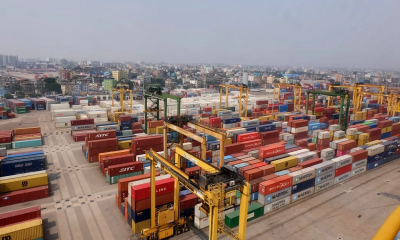
Faster logistics, smoother customs clearance, reliable infrastructure and lower business costs are seen as essential if India is to compete with export-driven economies such as Vietnam and Bangladesh.
Although India has made gains in high-tech manufacturing, including smartphone assembly for global brands, it continues to lag in labour-intensive industries like textiles, footwear and furniture.
With the agreements now in place, experts say success will depend on how well India implements reforms.
Cutting red tape, reducing logistics costs and creating a more export-friendly environment will be key if the country hopes to boost investment, create jobs and reach its target of $1 trillion in annual exports.





-20260906063831.webp)