
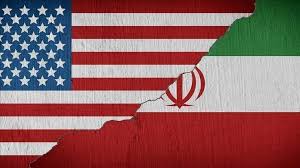
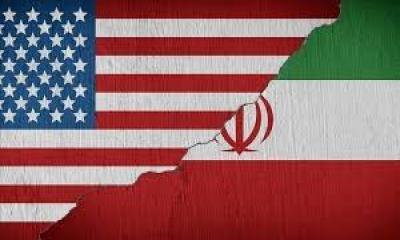
Iranian President Masoud Pezeshkian has rejected Washington’s latest sanctions campaign, saying the United States will fail to weaken Iran through economic pressure just as it failed to achieve its goals through military action.
Pezeshkian’s remarks came after the US announced tougher measures targeting key parts of Iran’s economy, including technology, digital assets, gold, aviation and shipping. Washington has said the expanded sanctions are aimed at putting further pressure on Tehran after months of conflict.
“America will not achieve anything with economic pressure at this stage, just as it was unable to achieve anything in the war,” Pezeshkian said Wednesday, according to Iran’s ISNA news agency.
He said Iran would continue to withstand the pressure.
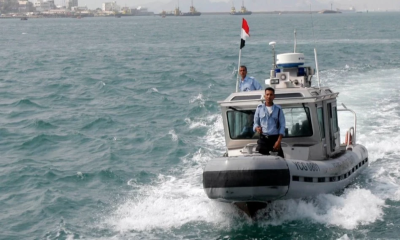
The latest escalation comes nearly six months into the conflict, with neither side appearing ready to back down. Iran has kept the strategically important Strait of Hormuz largely closed, while the United States continues its naval counter-blockade.
Iranian army spokesperson Mohammad Akraminia said Wednesday that the country’s military had restored capabilities damaged during the war.
He said damaged weapons systems had been rebuilt and new military equipment had been brought in from abroad.
US Treasury Secretary Scott Bessent claimed earlier this week that American strikes had severely damaged Iran’s military capabilities, military factories and nuclear programme. The new sanctions are intended to increase the economic pressure on Tehran.
No rush for talks
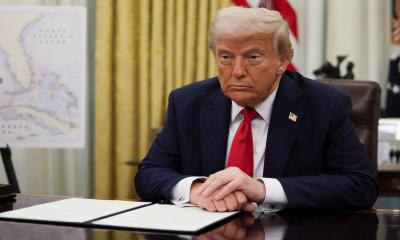
US President Donald Trump, who has faced domestic pressure over the economic impact of the conflict, has increasingly turned toward sanctions and other economic measures instead of further military action.
Asked about the possibility of negotiations, Trump said Wednesday that he was “not in a hurry” and had set no deadline for talks with Iran.
Iran has repeatedly rejected US demands while maintaining that it is prepared to withstand the sanctions. Tehran has also developed a longer-term plan to deal with the economic pressure, officials say.
Strait of Hormuz remains key issue
The Strait of Hormuz has become a major flashpoint in the conflict. Iran says it will not fully reopen the vital shipping route until the United States meets its demands, while Washington insists it has control over the waterway.
Traffic through the strait remains far below normal levels, disrupting shipments of oil and gas and contributing to higher energy prices.
Oman has been negotiating with Iran over a temporary transit corridor that could allow some shipping to resume. Iranian officials said the proposed arrangement could give the two sides 30 to 60 days to negotiate a permanent system for traffic through the waterway.
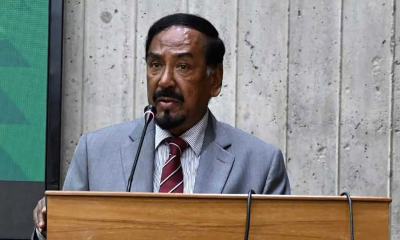
Omani Foreign Minister Badr Albusaidi said he hoped the temporary corridor could be announced soon.


-20260827071113.webp)





-20260824112248.jpg)


-20260823124453.webp)