
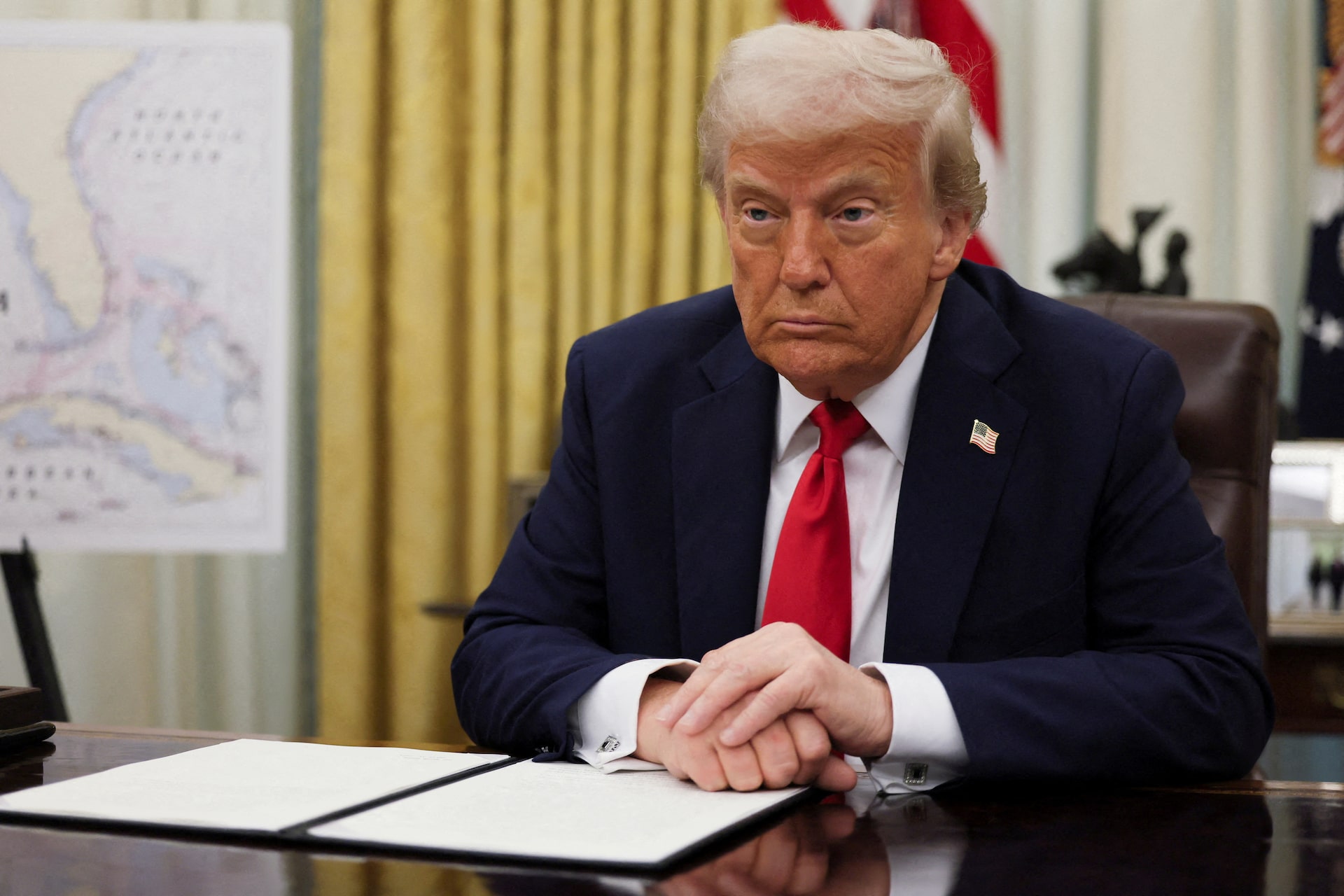
A US federal judge has struck down a Trump administration policy that suspended immigrant visa processing for people from 75 countries, including Bangladesh, saying Secretary of State Marco Rubio exceeded his legal authority.
Judge Jeannette Vargas of the Southern District of New York ruled Friday that the policy was unlawful and conflicted with federal immigration law.
She said the law does not allow the secretary of state to dictate how consular officers decide whether to issue immigrant visas.
The policy, introduced in January, imposed a blanket suspension based on applicants’ nationalities.
Vargas said that approach was inconsistent with the immigration system created by Congress.
The case was brought by immigrant rights groups, including the Catholic Legal Immigration Network and African Communities Together.
Visa applicants and US citizens seeking to bring relatives from the affected countries also joined the lawsuit.
The 75-country list covered nations in several regions, including Brazil, Colombia and Uruguay in Latin America; Bosnia and Albania in the Balkans; and Pakistan and Bangladesh in South Asia. Several countries in Africa, the Middle East and the Caribbean were also included.
The State Department had defended the suspension by arguing that applicants from those countries were more likely to rely on public assistance and place a financial burden on government services at the federal, state and local levels.
Trump has made stricter immigration enforcement a major part of his administration, arguing that tougher policies are needed to protect US national security.
The visa suspension was one of several immigration measures introduced by the administration within a short period. According to the Center for Constitutional Rights, they included a broader travel ban covering 39 countries that took effect on January 1 and a halt to diversity visa processing in late December.
Immigrant rights groups have challenged the administration`s wider immigration policies, saying some measures could violate constitutional rights such as due process and freedom of speech.
They have also warned that the policies could have a disproportionate impact on racial and ethnic minorities.
The State Department had not immediately commented on Friday`s ruling.

-20260821062318.webp)
-20260820090133.webp)
-20260819113854.webp)



-20260822055951.webp)