

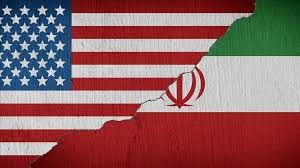
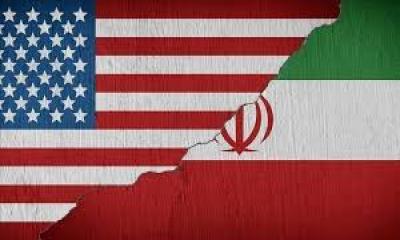
American and Iranian negotiators are set to begin a new round of talks in Switzerland on Sunday as efforts continue to transform a temporary agreement into a broader deal aimed at easing regional tensions and addressing Iran`s nuclear programme.
The discussions come at a sensitive moment, with fresh disagreements emerging over the Strait of Hormuz and the ongoing conflict in Lebanon threatening to complicate diplomatic progress.
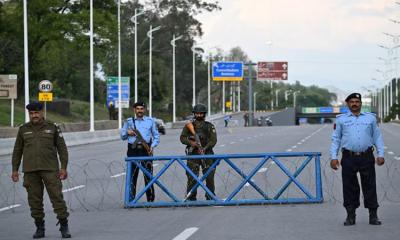
Pakistan, which has played a key role in mediation efforts, said technical-level negotiations would begin with the participation of Qatari representatives. Senior officials from both countries have already arrived in Switzerland ahead of the meetings.
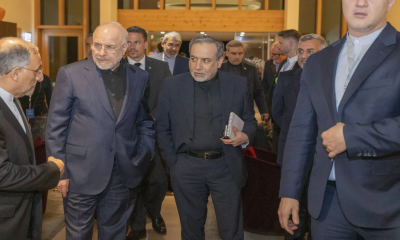
US Vice President JD Vance travelled to Switzerland on Saturday, while Iran`s delegation, led by Parliament Speaker Mohammad Bagher Qalibaf and Foreign Minister Abbas Araghchi, also arrived to take part in the negotiations. Pakistani Prime Minister Shehbaz Sharif and Army Chief Field Marshal Asim Munir are also expected to participate in high-level discussions.
The talks were originally scheduled to begin on Friday but were delayed following renewed fighting in Lebanon. Diplomatic efforts later helped create conditions for negotiations to move forward.
Speaking before the talks, Vance expressed hope that progress could be achieved on both Iran`s nuclear programme and efforts to reduce tensions in southern Lebanon.
Iran, however, signalled that meaningful advancement would depend on the implementation of commitments already made under the interim agreement. Iranian officials warned that future negotiations could be jeopardised if those obligations are not fulfilled.
One of the major disputes surrounds the Strait of Hormuz, a critical route for global energy shipments. Iranian military officials claimed the waterway had been closed in response to continued Israeli military operations in Lebanon and what Tehran described as a failure by Washington to uphold its commitments.
The United States rejected those claims, insisting commercial traffic through the strait remains uninterrupted. US military officials said dozens of merchant vessels carrying millions of barrels of oil successfully passed through the route under international monitoring.
US President Donald Trump also weighed in on the issue, warning that Washington could impose transit charges in the strategic waterway if negotiators fail to reach a broader agreement within the next 60 days.
The interim accord signed earlier this week by Trump and Iranian President Masoud Pezeshkian includes provisions related to Iranian oil exports and the release of frozen Iranian assets. Negotiators have been tasked with reaching a more comprehensive agreement within a two-month timeframe.
Meanwhile, the situation in Lebanon remains fragile. Fresh Israeli strikes and ongoing exchanges of fire between Israeli forces and Hezbollah have raised concerns that the violence could undermine diplomatic efforts.
According to reports from Lebanon, recent attacks in the country`s south caused multiple casualties, while Israel also reported military losses during clashes near the border.
Despite international mediation efforts, neither Israel nor Hezbollah is formally part of the US-Iran agreement. Analysts say developments in Lebanon are likely to remain a key factor influencing the success of the negotiations in Switzerland.
Diplomatic sources expect additional discussions involving Lebanon and Israel to take place in the coming days as international efforts continue to push for a wider ceasefire and a reduction in regional tensions.

-20260621075254.jpg)







-20260621065750.jpg)














-20260617204301.webp)