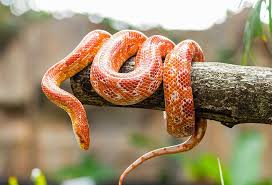
There are over 3,500 species of snakes living on planet Earth, but most of us seem to fear snakes. Maybe that’s the reason why their survival and conservation is hardly discussed. However, snakes are vital for several ecosystems. Thus, to raise awareness about the different species of snakes and to conserve and protect them, World Snake Day is celebrated annually on July 16.
History and significance
The origin of World Snake Day is unknown. It is also not officially recognised by any international organisation. However, organisations that work towards the cause of snake conservation celebrate World Snake Day on July 16 every year.
World Snake Day was created to raise awareness among people about these reptiles and how much they contribute to the world and its different ecosystems.
Just like other wildlife, snakes are also negatively impacted by climate change, disease, and habitat loss. Snakes help in maintaining the food web balance, they act as natural pest control and they are essential contributors to maintaining the balance in the natural food chain. But the need for their conservation and their survival issues are hardly discussed, partly due to a prevailing negative attitude towards snakes and partly due to ignorance. The fear and negligence are the greatest barriers to snake conservation.
Thus, it becomes important to make people aware of the characteristics and significance of snakes in the world. The World Snake Day is an important yearly event that plays a critical role in spreading awareness about snakes globally.
The Earth is home to more than 3,500 species of snakes, of which only 600 are venomous. Yet, these limbless, tubular reptiles are often misunderstood. World Snake Day brings a great opportunity to shed your fears, learn more about snakes and contribute towards their conservation.



-20260306071206.webp)
-20260228080513.webp)

-20260224065127.webp)
-20260317150905.webp)











-20260316074221.webp)









-20260311074922.jpg)
-20260313073432.webp)