

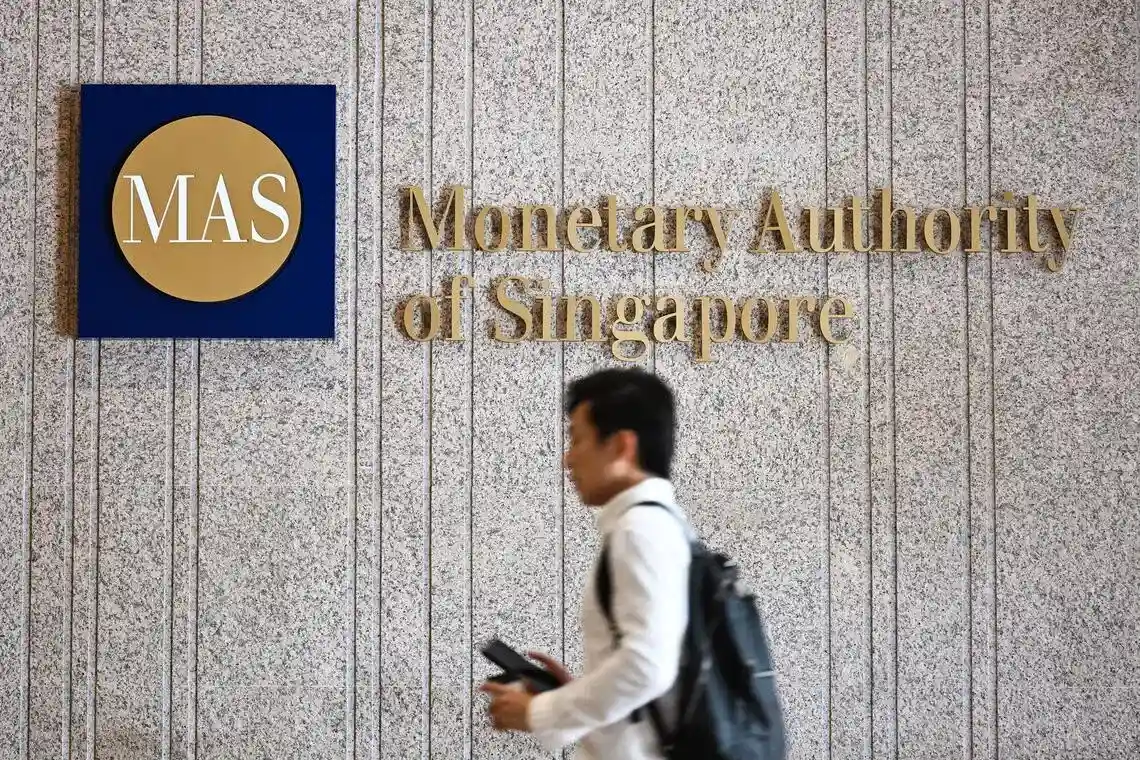
Singapore tightened its monetary policy for the second time in three months on Monday, citing persistent inflation risks driven by elevated global energy prices amid ongoing tensions in the Middle East.
The Monetary Authority of Singapore (MAS) said it would increase the rate of appreciation of the Singapore dollar`s trade-weighted exchange rate, a move aimed at easing imported inflation as the country continues to face rising costs for food and energy.
The latest policy adjustment comes as oil prices remain high following the US-Israel attacks on Iran that began on February 28, with continued regional instability keeping global energy markets volatile.
As Singapore relies heavily on imports, higher international prices have a direct impact on domestic living costs.
Unlike most central banks that use interest rates to manage inflation, the MAS conducts monetary policy by managing the Singapore dollar against a basket of currencies from its major trading partners within an undisclosed policy band. A stronger local currency helps reduce the cost of imported goods.
The central bank warned that imported costs are likely to increase further in the coming quarters.
"Core inflation is forecast to step up in July and remain elevated into early next year," the MAS said.
It also cautioned that inflation could accelerate beyond current expectations if energy prices surge again, noting that fuel reserves have been significantly depleted and any renewed supply disruptions in the Middle East could trigger sharp increases in oil prices.
The MAS last tightened monetary policy in April, marking its first policy tightening since 2022.





-20260725074113.jpg)























-20260720043233.jpg)