

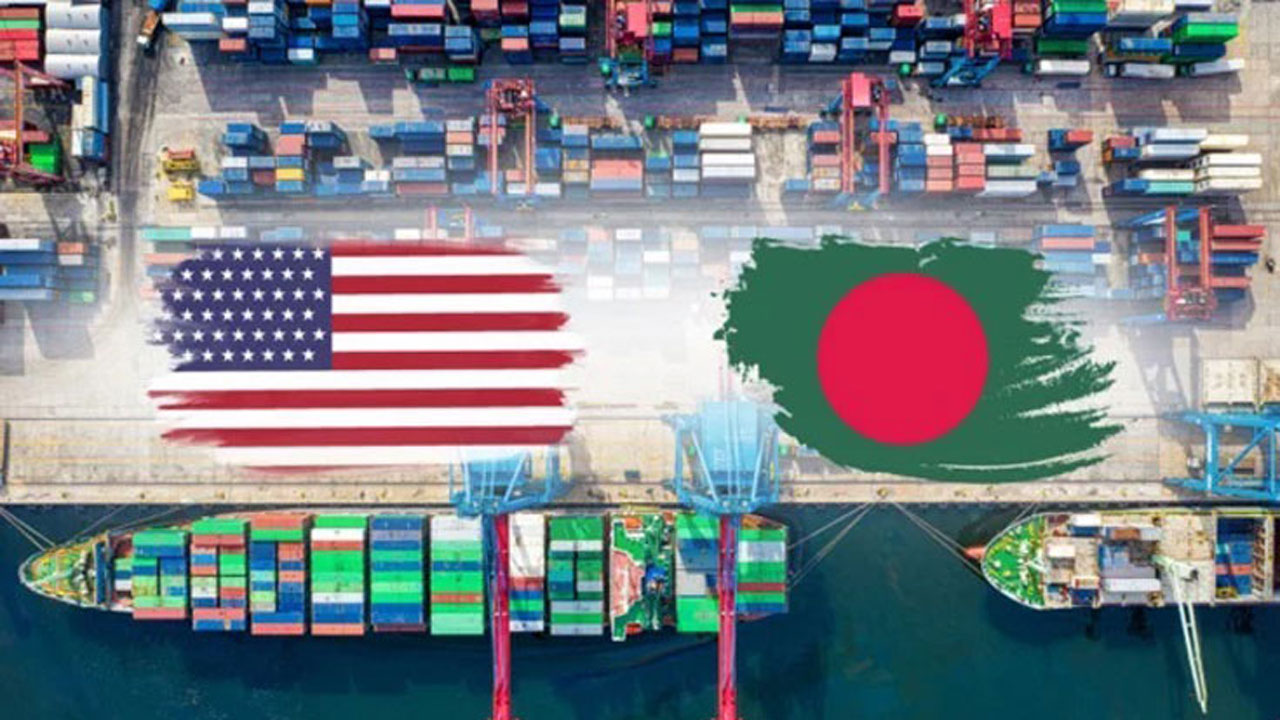
The United States has imposed new tariffs on a range of products from 60 trading partners, including Bangladesh, citing their failure to adequately enforce laws prohibiting forced labor.
The new measures, which took effect on Friday, impose a 10% tariff on goods from 17 countries, including Bangladesh, and a 12.5% tariff on products from 38 other countries.
In a statement published by the White House, the U.S. government said the new tariffs will apply to 99.4% of total U.S. imports. However, oil and gas, fertilizers, and certain food products are exempt from the measures.
The tariffs have been introduced under Section 301 of the Trade Act of 1974. The Trump administration said the move provides a legal basis for maintaining a minimum level of import tariffs after the U.S. Supreme Court struck down its earlier "reciprocal" tariff policy.
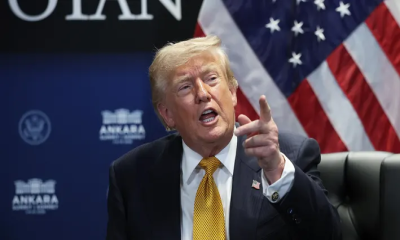
Last year, U.S. President Donald Trump imposed "reciprocal" tariffs ranging from 10% to 50% under national emergency powers in an effort to reduce the country`s trade deficit. However, the U.S. Supreme Court invalidated those tariffs in February this year.
Following the court`s ruling, the administration introduced a temporary 10% tariff for 150 days. That measure expired on Friday, when the new tariff regime came into effect. Goods already in transit before July 28 will remain exempt from the new duties.
In a statement, U.S. Trade Representative Jamieson Greer said:
The United States has had a forced labor import ban for nearly a century, and rigorously enforces it. It`s well past time for our trading partners to do the same.
He added:
Today’s action will begin to correct what is both a human rights abuse and distortive trade practice to improve the welfare of workers everywhere.
Under the new policy, a 10% tariff will apply to products from 17 countries, including Bangladesh, Argentina, the United Kingdom, Cambodia, Canada, India, Indonesia, Malaysia, Mexico, Pakistan, and Sri Lanka.
For the European Union, Japan, South Korea, Taiwan, and Switzerland, the effective tariff rate has been adjusted to 10% to 12.5% by incorporating existing duties. The United States has also set a 12.5% tariff on imports from China and 37 other countries.
The U.S. alleges that China uses forced labor involving the Uyghur minority, an accusation Beijing has consistently denied.
U.S. officials also said that, under the framework of ongoing trade negotiations with China, tariffs on Chinese goods could eventually be raised to 20%, though not beyond that level.
Source: Reuters




-20260904064352.webp)



-20260828064640.webp)


-20260828120358.webp)