
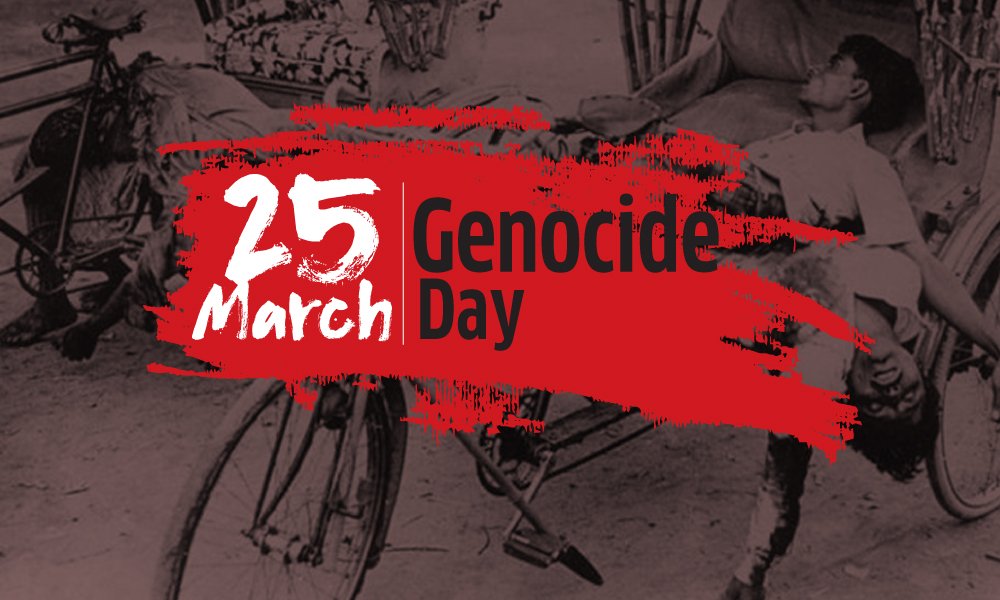
As darkness falls on March 25, Bangladesh pauses to remember one of the darkest chapters in its history, when the streets of Dhaka echoed with gunfire and thousands of unarmed civilians were killed in a brutal military crackdown that marked the beginning of the 1971 genocide.
The country is observing Genocide Day on Wednesday with due solemnity, commemorating the atrocities carried out on the night of March 25, 1971.
During the Pakistani military`s “Operation Searchlight,” Bengali members of the East Pakistan Rifles and police, along with students, teachers, and ordinary civilians, were indiscriminately killed. Homes were set ablaze, businesses were looted, and entire localities were left devastated.
To mark the day, discussion programmes on the March 25 genocide and the Liberation War are being held at educational institutions across the country, including schools, colleges, madrasas, and technical institutes, with participation from distinguished individuals and valiant freedom fighters.
Exhibitions featuring rare photographs and documentaries on the genocide are being organised from 12:00 pm in the city corporation areas, including Dhaka.
A seminar is also being arranged by the Ministry of Foreign Affairs and the Liberation War Museum at 10:00 am, or at a convenient time.
Various cultural organisations are holding seminars, cultural programmes, and lyrical dramas centred on the genocide.
Bangladesh Betar, Bangladesh Television, as well as private television channels and radio stations, are airing special programmes, while national dailies have published supplements marking the day.
Religious organisations have arranged special prayers and doa mehfils, seeking eternal peace for the souls of the martyrs.
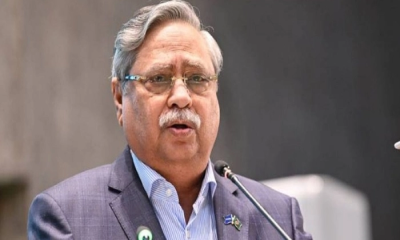
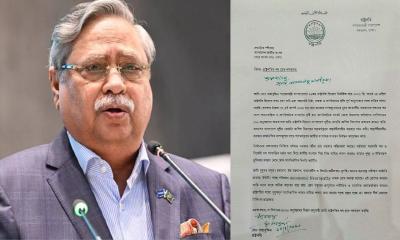
On the occasion, President Mohammed Shahabuddin and Prime Minister Tarique Rahman issued separate messages.
In his message, the President said the long-cherished right to vote has been restored through a free, fair, and credible election, leading to the establishment of a democratic government based on the people’s mandate. He added that the government has undertaken various initiatives to build a non-discriminatory, humane, and self-reliant Bangladesh.
He noted that the martyrs of the Liberation War had envisioned a just and democratic state free from discrimination, corruption, and oppression, and urged all citizens to work together—regardless of religion, caste, or political belief—to fulfil that vision.
In his message, the Prime Minister said that understanding the genocide of March 25 is essential to convey the true value of independence to present and future generations.
“Let us honour the sacrifices of the martyrs by establishing the spirit of the Liberation War—equality, human dignity, and social justice—in the state and society,” he said, calling for collective efforts to build a just, prosperous, and democratic Bangladesh.
He also prayed for eternal peace for the departed souls of the martyrs and wished success for all programmes marking the day.
As Bangladesh observes Genocide Day, the commemoration stands as a solemn reminder of the immense sacrifices of 1971—and the enduring responsibility to remember, document, and honour the victims of the genocide.



-20260724111642.jpg)