
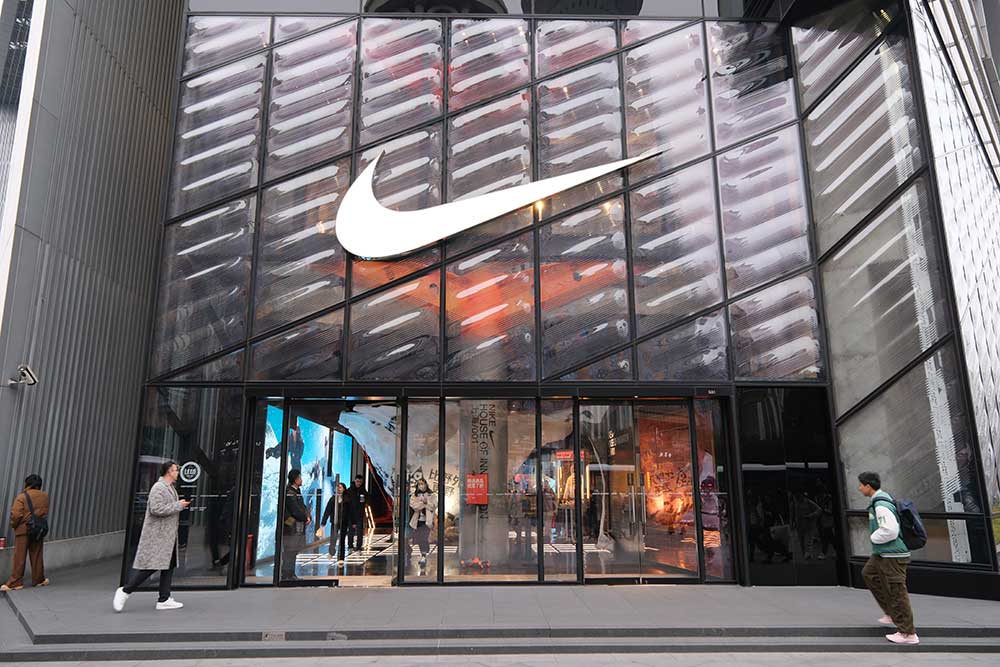
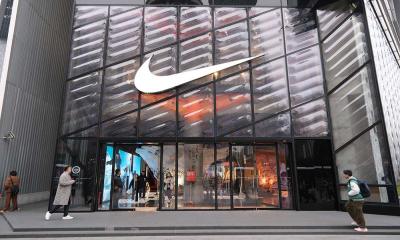
Nike reported a sharp rise in quarterly profit on Tuesday after receiving a major US tariff refund, but weaker sales in China and a cautious business outlook weighed on investor sentiment.
The sportswear giant posted a net profit of $1.1 billion for the quarter ended May 30, with a $986 million tariff recovery accounting for most of the earnings boost after the US Supreme Court struck down parts of former President Donald Trump`s tariff measures.
Despite the surge in profit, quarterly revenue slipped 1 percent to $11 billion, while the company`s shares fell about 2 percent in after-hours trading.
Chief Executive Officer Elliot Hill said Nike is moving quickly to reshape the business but acknowledged that the turnaround will take time before delivering consistent results.
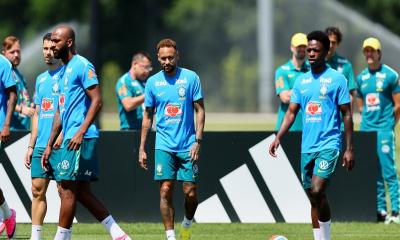
Company executives said consumer demand weakened midway through the quarter as higher oil prices linked to the US-Iran conflict squeezed household spending. However, they noted that sales improved in June, helped by the FIFA World Cup and easing fuel prices following the US-Iran agreement to reduce regional tensions.
Chief Financial Officer Matthew Friend said Nike expects profit to remain broadly flat over the next two quarters, while forecasting revenue to decline by a low-to-mid single-digit percentage in the current quarter.
Hill has been working to rebuild Nike`s market position after the company`s direct-to-consumer strategy allowed rival brands to gain ground with retail partners. The company has also been clearing excess inventory through heavy discounting.
China remained a major challenge, with revenue in Greater China falling 12 percent to $1.3 billion amid intense competition from domestic sportswear brands.
Hill said Nike remains committed to the Chinese market and plans to strengthen local partnerships while developing products tailored to Chinese consumers.
Market analysts said the continued weakness in China and other international markets suggests Nike`s recovery could take longer than previously expected, although stronger sales in North America offered a more encouraging sign.

-20260630143418.jpg)



-20260701080125.jpg)


-20260701073339.jpg)


-20260701065838.jpg)

-20260701065220.jpg)





-20260625073308.webp)