

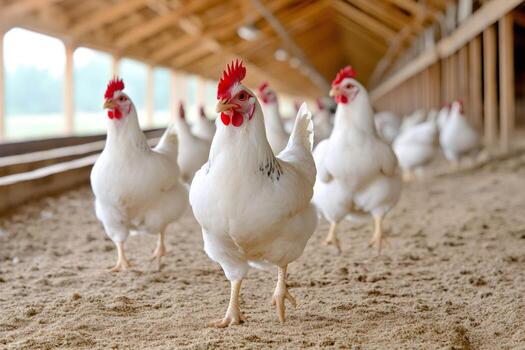
Broiler chicken is one of the most common sources of meat worldwide, but few people know how different these birds are from the chickens traditionally raised in villages or backyard farms.
Modern broiler chickens are specially bred to grow rapidly for meat production. Unlike indigenous or layer chickens, broilers reach market size in just 42 to 49 days, weighing around 2.5 to 3 kilograms before being sent for processing.
What exactly is a broiler chicken?
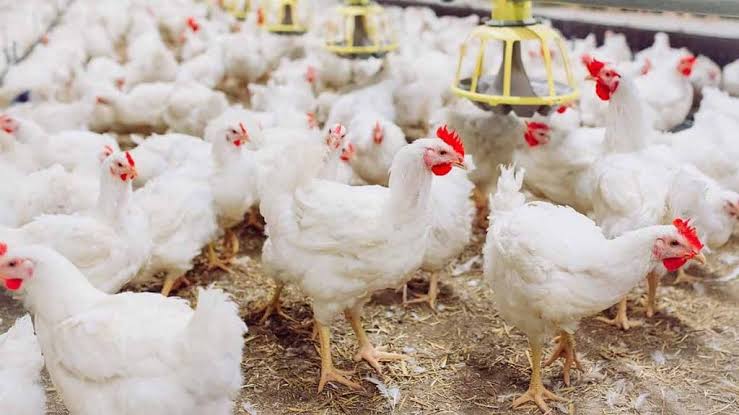
A broiler is a chicken bred specifically for meat rather than egg production.
Until the early 20th century, most chickens served a dual purpose—producing both eggs and meat. That changed after intensive breeding programmes in the United States during the 1940s selected birds that grew larger, faster and consumed less feed. Today`s commercial broilers are the result of decades of selective breeding.
How are broilers different from layer chickens?
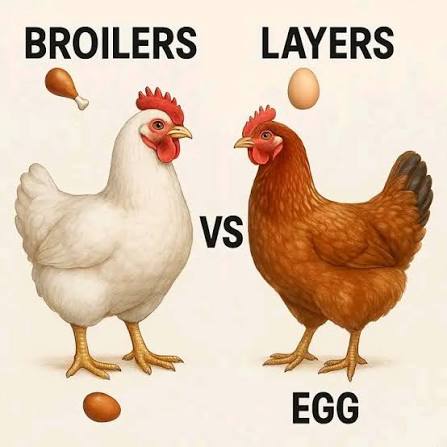
The poultry industry generally divides chickens into two categories:
Broilers: Raised for meat and slaughtered at around six to seven weeks of age.
Layers: Raised to produce eggs and typically kept for more than a year before productivity declines.
Broilers invest most of their energy in rapid muscle growth, while layers are bred to produce hundreds of eggs annually.
Why do broilers grow so quickly?
Rapid growth is the result of decades of selective breeding—not genetic modification.
Modern breeding programmes have produced chickens that convert feed into body weight far more efficiently than earlier generations. A broiler today reaches more than twice the weight of a chicken raised in the 1940s while taking nearly half the time.
Do broiler chickens lay eggs?
Yes, biologically they can.
However, chickens raised commercially for meat are slaughtered long before they reach sexual maturity. If allowed to mature, specially managed breeding flocks produce the eggs that hatch into the next generation of broilers.
What do broilers eat?
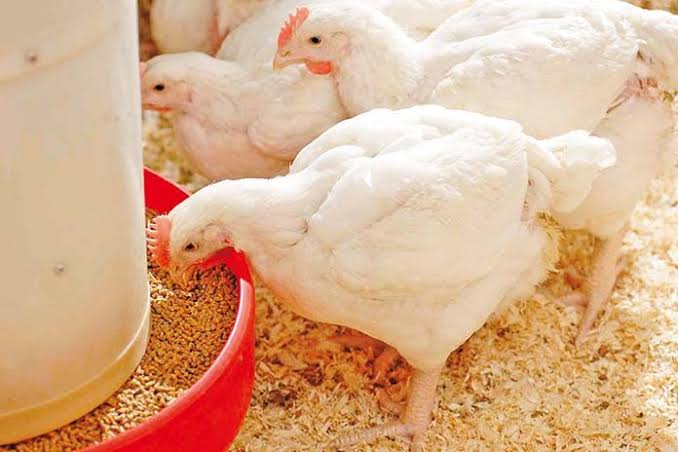
Commercial broilers are typically fed scientifically formulated diets containing maize, soybean meal, vitamins and minerals designed to support rapid growth and maintain flock health.
Are there health concerns?
The rapid growth that makes broilers economically efficient also creates welfare challenges.
Research shows fast-growing broilers are more likely to suffer from leg disorders, skeletal deformities, heart problems and mobility issues because their bodies grow faster than some organs and bones can fully support.
Why are broilers usually white?
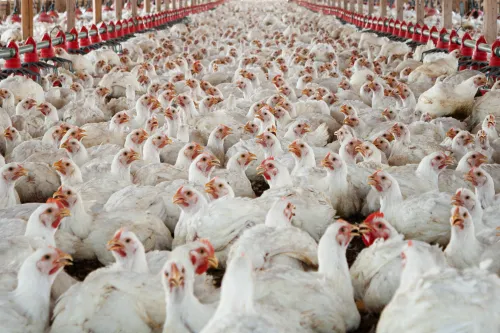
Most commercial broilers have white feathers because these breeds are preferred by the poultry industry. White feathers leave fewer visible feather remnants after processing and have become the global commercial standard.
How important are broilers?
Chicken is the world`s most widely consumed meat, and broilers dominate commercial poultry production.
Their relatively low production cost, efficient feed conversion and short production cycle have made chicken one of the most affordable sources of animal protein worldwide, including in Bangladesh.


-20260711072618.jpg)








-20260824063249.webp)
-20260823124453.webp)

-20260823105444.webp)
















-20260817061349.jpg)