

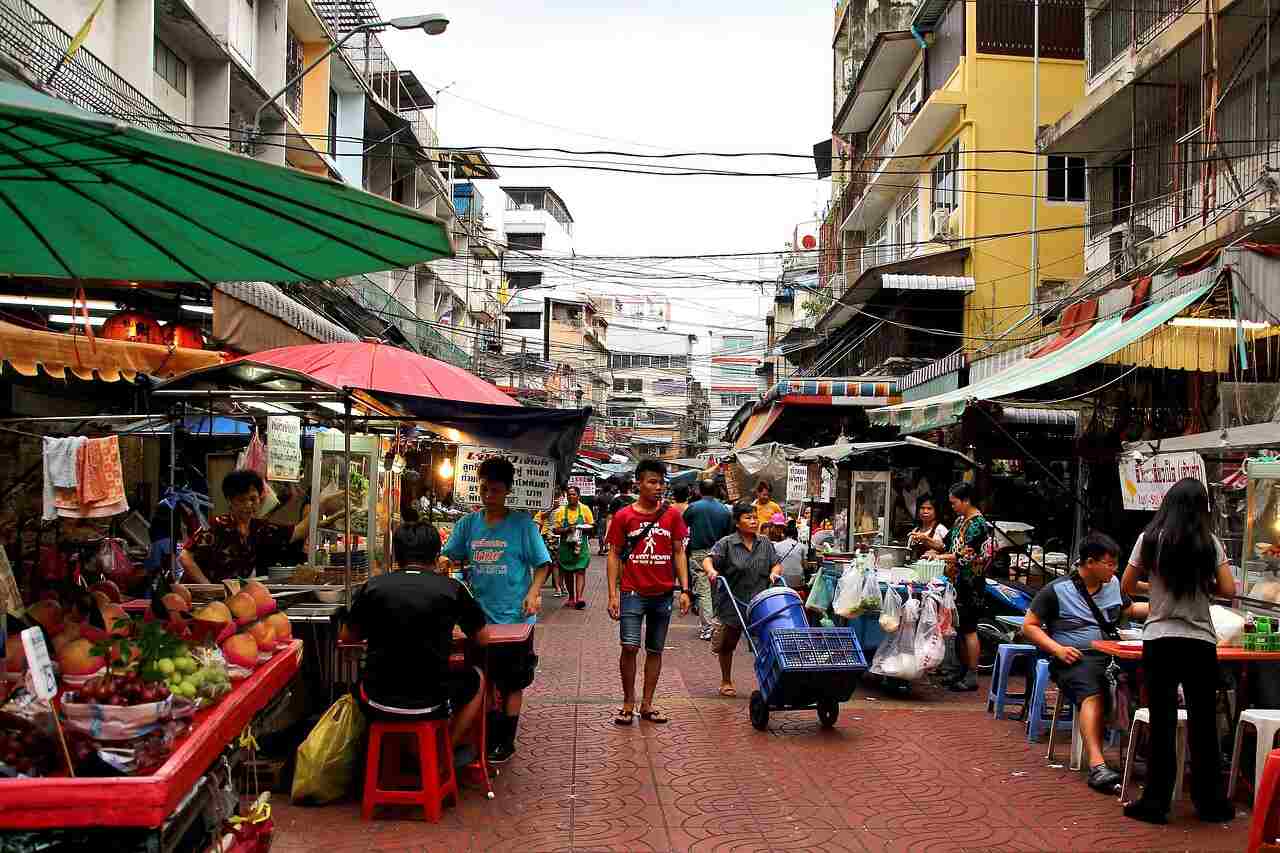
Street food sellers in Bangkok are facing growing uncertainty as authorities tighten rules on roadside vending.
City officials have been clearing footpaths and moving vendors from busy streets to designated market areas in an effort to improve order and reduce congestion.
Many sellers say the changes are affecting their livelihoods. Some have already been fined or asked to leave long-standing locations, especially in crowded areas like Chinatown.
Officials from the Bangkok Metropolitan Administration said the number of mobile vendors has dropped sharply in recent years, with thousands leaving the streets since 2022.
Authorities are encouraging vendors to move into organised hawker centres, where they can rent stalls and access basic facilities like water and electricity.
Some vendors have welcomed the move, saying it offers cleaner and more stable working conditions.
However, others remain worried about losing customers and income, especially those who have worked in the same spots for decades.
Street food is a major part of Bangkok’s culture and a popular attraction for tourists, known for its low prices and wide variety of food.
Experts say balancing urban management with protecting small businesses will remain a challenge for the city in the coming years.



-20260711072618.jpg)







-20260904064352.webp)










-20260828064640.webp)




-20260828120358.webp)