

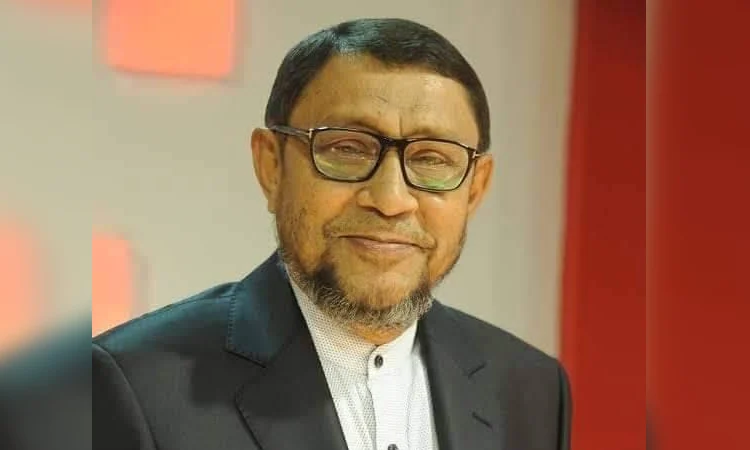
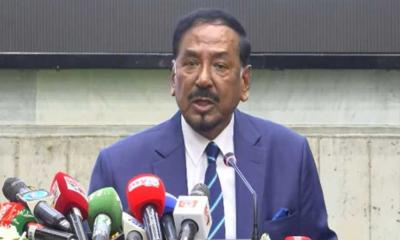
The government plans to bring every citizen under a nationwide digital health system by introducing e-health cards across Bangladesh by 2028, Health and Family Welfare Minister Sardar Md. Sakhawat Husain told Parliament on Wednesday.
Speaking in response to a question from an opposition lawmaker, the minister said the initiative will be implemented through a technical assistance project and is part of a broader effort to establish universal healthcare coverage and modernize public health services.
According to the minister, the government views healthcare as a fundamental right and intends to gradually increase health sector spending to five percent of the country`s gross domestic product in line with its policy commitments.
The planned e-health card programme will be linked to a digital health identification system, creating a nationwide health database for citizens. Officials expect the platform to improve patient record management, reduce duplication of treatments and medications, and support more accurate clinical decisions.
The government believes the digital system will also help lower unnecessary healthcare costs while making services more efficient, secure and accessible for patients.
Alongside the digital health initiative, authorities are preparing a wide-ranging expansion of healthcare infrastructure and services. Plans include strengthening district hospitals, upgrading upazila health complexes, improving union-level healthcare facilities and expanding services in remote and hill regions.
The minister said the government also intends to establish new hospitals, modernize existing facilities and improve healthcare management systems throughout the country.
Other priorities include ensuring free primary healthcare services, enhancing maternal and child healthcare, strengthening vaccine and medicine supply chains, and expanding nutrition programmes.
The government is also focusing on tackling non-communicable diseases, reducing tobacco-related health risks and increasing public awareness about disease prevention and healthy lifestyles.
As part of broader healthcare reforms, authorities are considering the recruitment of 100,000 health workers to address staffing shortages and the establishment of modern secondary healthcare units in every district.
Additional plans include expanding public-private partnerships for specialized treatment, introducing AI-powered e-prescriptions, creating a national ambulance and emergency response network, improving access to safe drinking water and strengthening medical education and accreditation systems.
Officials say the measures are designed to build a more inclusive, technology-driven healthcare system capable of serving citizens across the country.








-20260725074113.jpg)









-20260720043233.jpg)