
“Want the royal charm of Jaipur? Don’t come here, just buy a postcard,” a local taxi driver quipped during a recent visit to the north-western Indian city. The remark, quoted by the BBC, captures a growing sense of frustration over the worsening state of India’s urban centres.
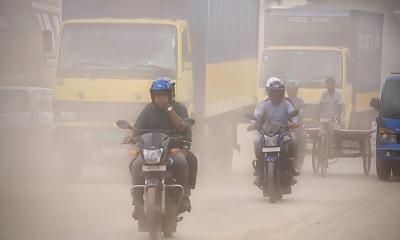
Despite Jaipur’s reputation for grand palaces and historic forts that draw millions of tourists, much of the city today appears rundown—clogged with traffic, blanketed by polluted air, strewn with uncollected waste and marked by neglect of its architectural heritage. Centuries-old structures stand defaced by tobacco stains, squeezed between makeshift workshops and chaotic development.
The situation in Jaipur reflects a broader national problem. Across India, cities are becoming increasingly unliveable even as the government spends hundreds of billions of dollars on infrastructure upgrades. While gleaming airports, expanded highways and new metro rail systems have emerged under Prime Minister Narendra Modi’s growth-driven agenda, many Indian cities continue to rank poorly on global liveability indexes, the BBC report notes.
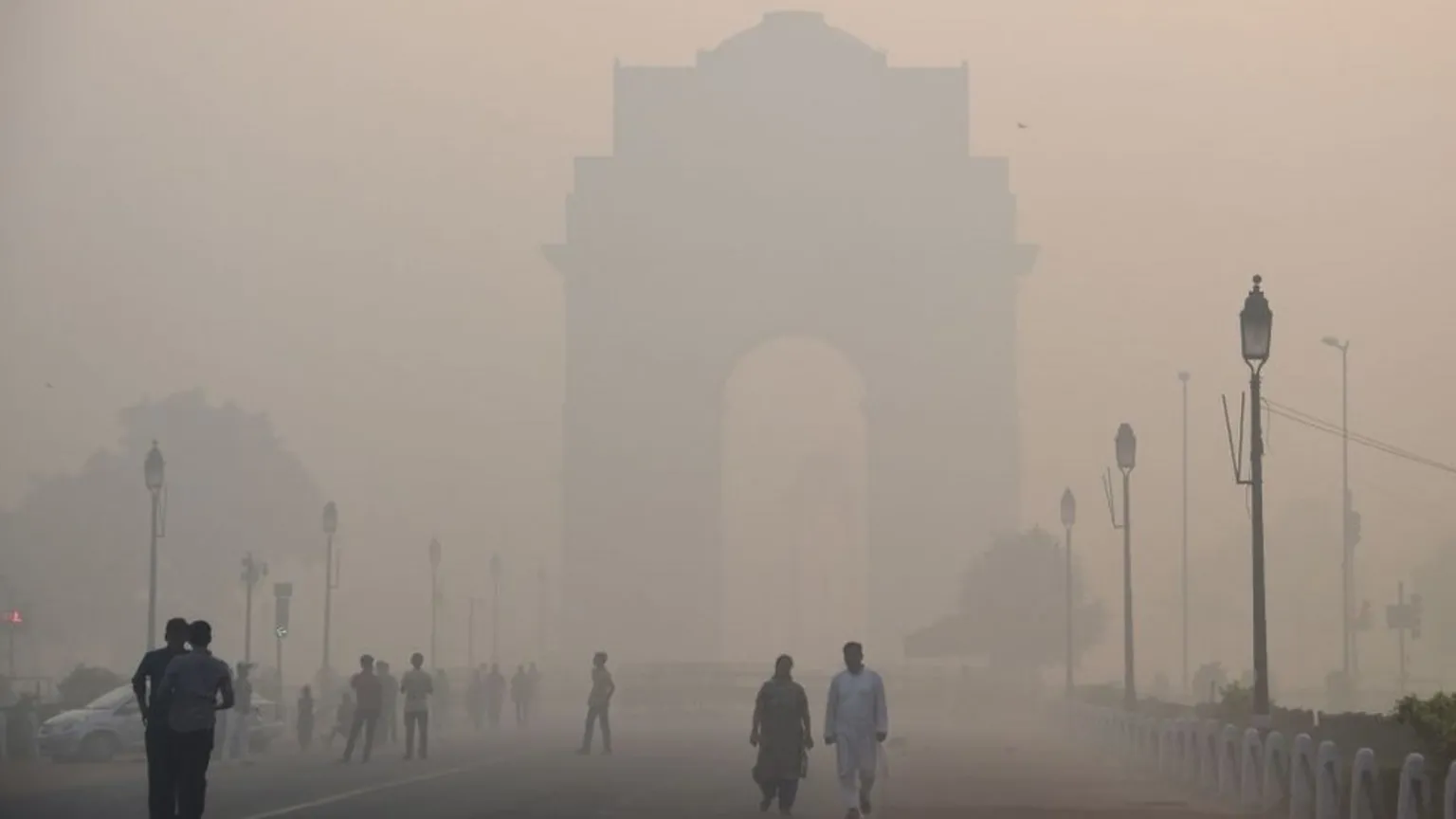
Public frustration has spilled onto the streets in recent months. In Bengaluru, often dubbed India’s Silicon Valley, residents and business leaders have voiced anger over relentless traffic jams and mounting garbage. In Mumbai, citizens staged rare protests against worsening potholes and flooding as clogged drains overflowed during the monsoon. In Delhi, toxic winter smog has once again triggered health warnings, with even high-profile events overshadowed by chants against the capital’s air pollution.
So why has India’s rapid GDP growth not translated into cleaner, better-run cities—unlike China during its boom years? According to infrastructure expert Vinayak Chatterjee, speaking to the BBC, the core issue lies in weak urban governance. India’s Constitution devolved power to the centre and states but failed to anticipate the scale of urban expansion, leaving cities without strong, autonomous governance structures.
Although a constitutional amendment in 1992 sought to empower urban local bodies, many of its provisions remain unimplemented. Experts say bureaucratic resistance and political control by state governments have prevented real devolution of authority. As a result, mayors and city councils in India wield limited power, revenue authority and administrative control—unlike their counterparts in China, who enjoy strong executive authority and performance-based incentives.
Compounding the challenge is a lack of reliable data. India’s last census was conducted more than 15 years ago, when urban residents made up 30% of the population. Today, nearly 40%—or more than 500 million people—are estimated to live in urban areas, with the next census delayed until 2026.
Urban experts quoted by the BBC warn that without accurate data, empowered local governments and genuine political urgency, India’s cities will continue to deteriorate. History suggests reform often comes only after crises reach a breaking point—when urban decay finally becomes impossible to ignore.
To read the original story, click this link: https://www.bbc.com/news/articles/cp9kp2kx329o