
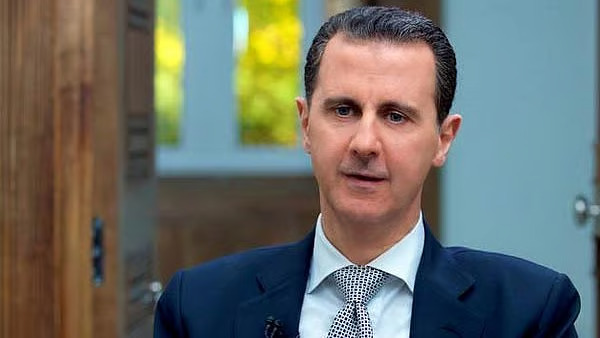
Former Syrian president Bashar al-Assad has been sentenced to death by a court in Damascus for crimes against humanity and war crimes committed during the country’s nearly 14-year civil war.
The ruling was delivered in absentia on Tuesday, marking the first death sentence issued by Syria’s transitional authorities against a former senior leader since Assad was removed from power in December 2024.
Judge Fakhr al-Din al-Aryan found Assad guilty of several crimes, including premeditated murder, the killing of multiple people and children, torture resulting in death and repeated unlawful detention.
The court classified the offences as crimes against humanity and war crimes before handing down the death sentence.
Assad left Syria for Moscow after Islamist-led forces launched a rapid offensive and captured Damascus in December 2024. Since taking control, Syria’s transitional leaders have promised to investigate abuses committed during Assad’s rule.
The court also sentenced six former military and security officials to death in absentia.
They included Assad’s brother Maher al-Assad, who commanded the army’s elite Fourth Division, former defence minister Fahd al-Freij and Louay al-Ali, who led military intelligence in Daraa province.
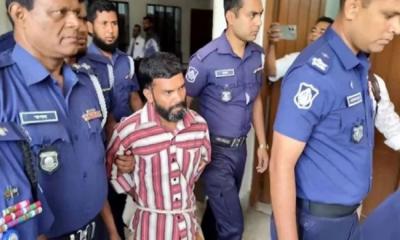
Another former security official, Atif Najib, was also sentenced to death.
Unlike the others, Najib was present in court. He had headed political security in Daraa and was arrested in January last year.
Najib, a cousin of Assad, was convicted of murder, the killing of children under 15 and torture leading to death.
The court said the crimes amounted to crimes against humanity.
The proceedings against Assad and other former officials began in April as part of efforts by Syria’s new authorities to investigate alleged abuses during the civil war.
The conflict began in 2011 after security forces violently suppressed protests demanding political reform.
More than 500,000 people were killed during the war, while millions were forced to leave their homes and tens of thousands disappeared.
Daraa was at the centre of the uprising. The protests began there in March 2011 after 15 students were arrested for allegedly writing anti-government messages on walls.
Residents later accused security forces of torturing the students.
Demonstrations demanding their release were met with force, including live ammunition, and the unrest soon spread to other parts of Syria.
Najib was removed from his position after the early crackdown as protests expanded across the country.
The court said he denied the charges and showed no remorse.
Assad became president in 2000 following the death of his father, Hafez al-Assad, who had ruled Syria for nearly three decades.











-20260824112248.jpg)



-20260828064640.webp)