
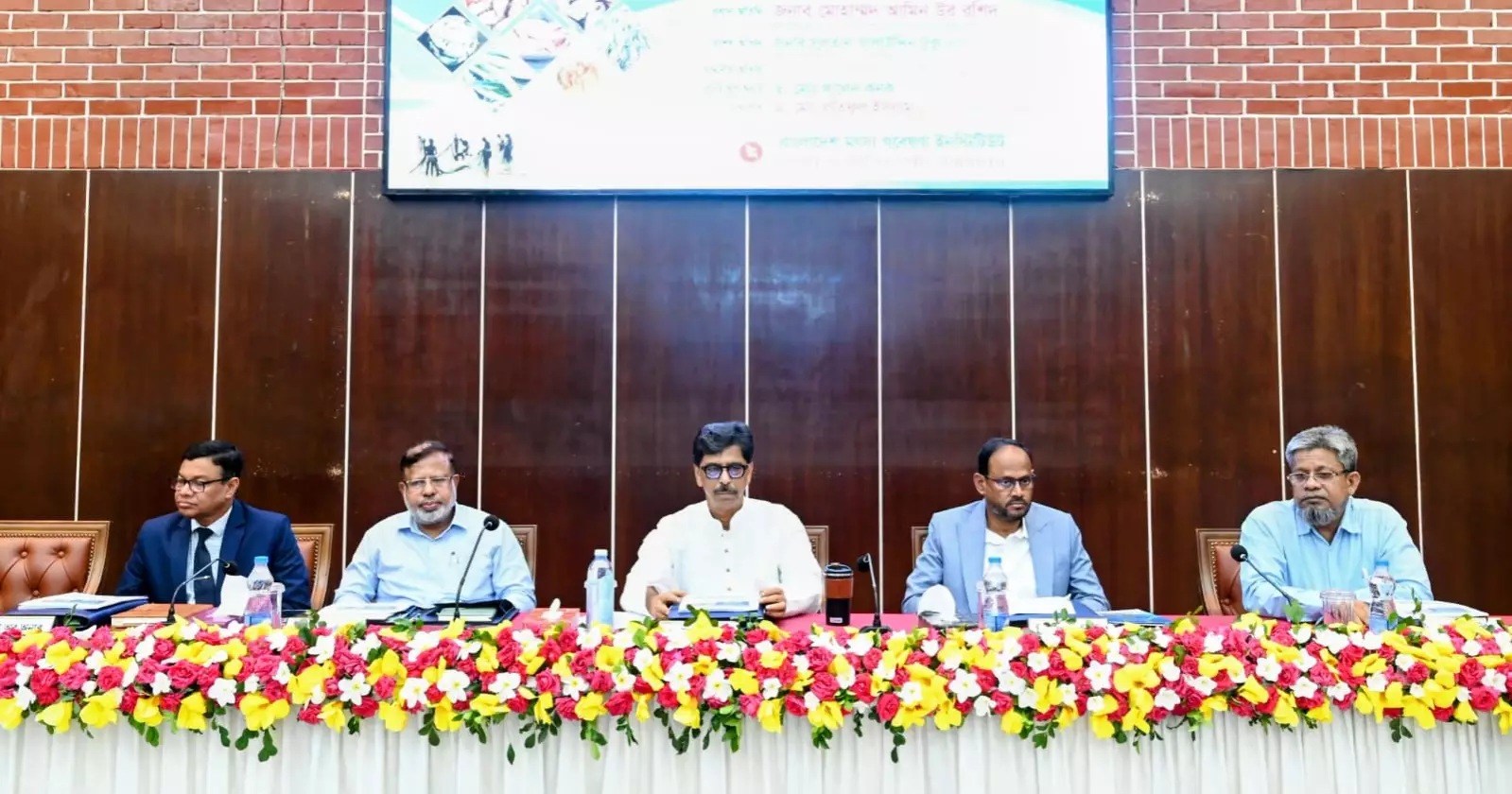
Bangladesh has an opportunity to expand its fisheries exports if it can ensure safe, high-quality fish that meets the standards and preferences of international markets, Fisheries, Livestock and Agriculture Minister Mohammed Aminur Rashid said Monday.
He said the global food market is increasingly concerned with safety and quality rather than simply food shortages, making quality control a priority for Bangladesh’s fisheries sector.
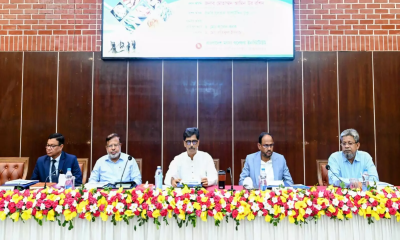
The minister was speaking at a seminar titled “Fisheries Resources in Building a Self-Reliant Bangladesh: Present Context and Future Tasks”, organised by the Bangladesh Fisheries Research Institute (BFRI) at the Bangladesh Agricultural Research Council.
Rashid said standards must be maintained throughout the fish production process to improve export prospects.
He called for identifying the sector’s key problems and addressing them based on current demand, future opportunities and international market requirements.
He also stressed the need to protect fish breeding grounds.
Adequate sanctuaries should be established to support natural breeding and increase production, while the government has already taken initiatives for fish conservation, he said.
The minister warned that excessive use of pesticides and fertilisers in agriculture, along with other environmental pressures, is disrupting the natural breeding and production of fish.
He called for more environmentally friendly and modern production methods.
According to Rashid, modern technology can also help Bangladesh increase fish production despite limited space.
He pointed to strong export potential among freshwater fish, particularly among Bangladeshi expatriates living abroad.
However, he said exporters must produce fish according to the tastes and requirements of consumers in importing countries rather than focusing only on varieties commonly consumed in Bangladesh.
Shrimp, crab, eel and other aquatic products also have significant potential, he said.
Developing modern systems for producing and raising fry alongside improved breeding methods could substantially increase both production and exports.
Rashid called for closer coordination among researchers, scientists, fisheries professionals and policymakers to link food safety, environmental protection, modern technology and research with international market demand.
Speaking as a special guest, Fisheries and Livestock State Minister Sultan Salauddin Tuku said restoring fish habitats was essential to increasing production.
He said river and canal encroachment, poor navigability and industrial pollution have disrupted the natural movement and breeding of fish.
Restoring the navigability of rivers and canals and reconnecting waterways would help revive fish habitats, Tuku said.
He referred to initiatives taken during the tenure of President Ziaur Rahman to restore river navigability and re-excavate canals, and said Prime Minister Tarique Rahman had again taken up similar initiatives after a long gap.
Tuku said excavation work had already been carried out in several areas and that re-excavating around 20,000 kilometres of canals and rivers, if implemented, would create better conditions for fish movement and breeding.
He also raised concerns about the uncontrolled use of antibiotics in fish farming, saying unnecessary use was causing financial losses for farmers while creating risks for food safety.
The state minister said district-level seminars and workshops would be arranged to increase farmers’ awareness about responsible antibiotic use.
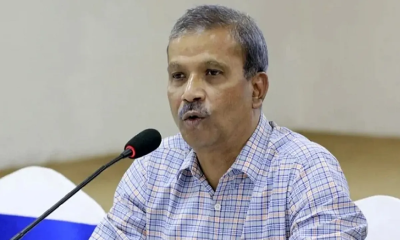
BFRI Senior Scientific Officer Dr Moshiur Rahman presented the keynote paper at the seminar.









-20260817061349.jpg)