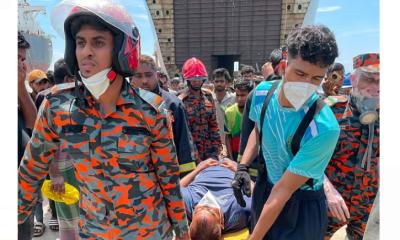

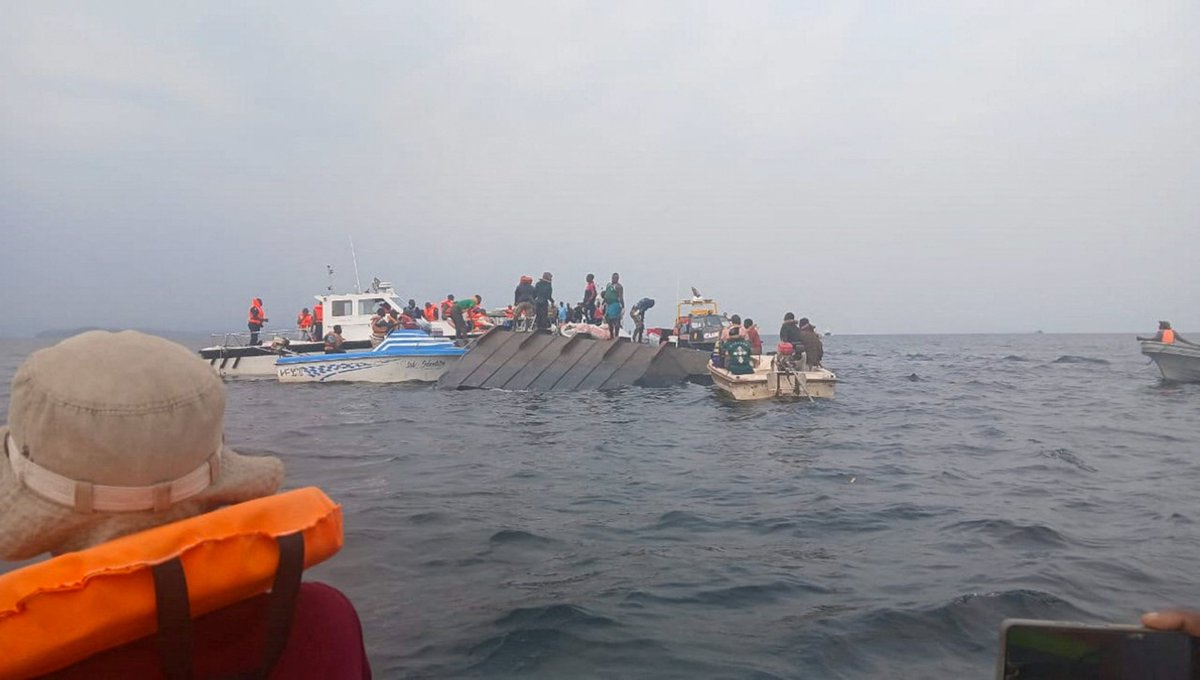
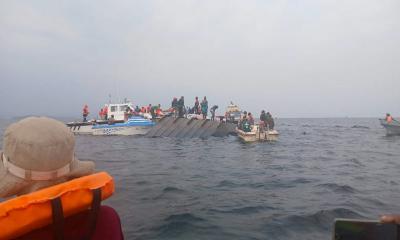
The death toll from Zimbabwe’s Lake Kariba ferry disaster has risen to 72 after rescuers recovered 25 bodies on Saturday, with search teams continuing to look for those still missing.
Police said three additional bodies were recovered late Saturday after 22 bodies had been found earlier in the day. Authorities are still working to identify the victims.
The overloaded ferry, operated by the government’s Rural Infrastructure Development Agency, overturned in rough waters on Tuesday while carrying passengers across Lake Kariba, which borders Zimbabwe and Zambia.
Officials say the vessel was licensed to carry 90 people but had 114 adults and five crew members on board, along with an unknown number of children. The civil protection unit said 77 people were rescued the day after the accident.
The disaster is believed to be Zimbabwe’s deadliest ferry accident.
At a district hospital in the lakeside town of Kariba on Saturday, hundreds of people gathered to identify the bodies of relatives and friends.
Lieutenant Colonel Joseph Muchechesi, commander of the boat regiment involved in the recovery operation, said 22 bodies had been retrieved during the day.
He said rescuers remained confident they would recover all the victims, although cold winter temperatures were slowing the process because bodies were taking longer to rise to the surface.
A public memorial service was held in Kariba on Thursday, before burials began.
Survivors said the ferry began taking on water shortly after leaving and passengers pleaded with the driver to turn the vessel back.
Chance Siyamavhu, 45, recalled how passengers struggled to escape as the ferry went down. His best friend and seven relatives were among those killed.
“Thank God that a wave pushed the sinking vessel and we managed to climb on top,” he said at the memorial service.
He said many passengers rushed for life jackets when the boat capsized but did not know how to use them.
“Most people could not make it,” he said.
Most of those aboard the ferry were villagers and fish traders living around Lake Kariba.
The lake stretches along the Zimbabwe-Zambia border and is the world’s largest man-made lake by volume.


-20260814134111.webp)




-20260815175025.webp)