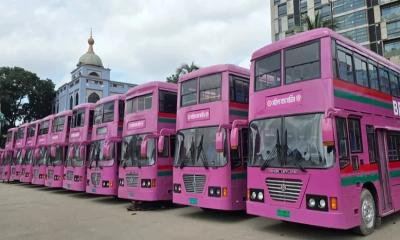

Millions of Eid travellers across Bangladesh faced widespread fare overcharging on long-distance bus routes during the Eid-ul-Azha travel rush, with passengers allegedly forced to pay nearly double the approved fares on many routes, according to a report released Wednesday.
The findings were published by Bangladesh Jatri Kalyan Samity, which said bus operators collected an estimated Tk 5.62 crore in excess fares from around 234,000 passengers on 26 of the 27 routes it monitored during the holiday season.
According to the organisation, the overcharging took place despite earlier public assurances from the Bangladesh Road Transport Owners` Association that no additional fares would be imposed during Eid travel.
The monitoring report highlighted significant gaps between government-approved fares and what passengers were actually charged on several major routes.
Passengers travelling on the Dhaka-Khulna route reportedly paid Tk 1,000 for seats in 51-seat buses, although the approved fare was Tk 541. On the Dhaka-Patuakhali route, travellers were charged Tk 1,000 instead of the official Tk 570 fare.
Similar complaints were recorded on several other routes, including Dhaka-Shariatpur, Dhaka-Barisal, Dhaka-Madaripur, Dhaka-Bhanga and Dhaka-Faridpur.
In some intercity services from Chittagong, fares were reportedly doubled during the peak Eid travel period.
Inspectors from the passenger welfare group also alleged that some operators manipulated official fare charts by displaying rates meant for lower-capacity buses in higher-capacity vehicles, increasing the amount collected per passenger.
The report further claimed that passengers travelling shorter distances were often forced to pay full-route fares from terminals.
Transport workers interviewed during the monitoring process told investigators that irregular salaries and the lack of Eid bonuses contributed to the practice of collecting extra fares from passengers.
Despite the reported violations, the organisation said the situation appeared slightly improved compared with the previous Eid-ul-Fitr period, attributing the change to government pressure and public warnings issued ahead of the holiday travel season.
Bangladesh witnesses one of its largest annual travel movements during Eid holidays.
This year, an estimated 9.5 million people reportedly left Dhaka alone, while nationwide inter-district travel may have reached nearly 30 million passengers.
The welfare group said the recurring problem reflects deeper structural issues within the country’s transport sector, including weak enforcement, unregulated wage systems for drivers and helpers, and ineffective monitoring arrangements during Eid operations.
The statement also raised concerns about the safety risks faced by low-income travellers, many of whom were reportedly forced to travel on bus rooftops, trains and goods vehicles to avoid inflated ticket prices.
Calling for long-term reforms, Bangladesh Jatri Kalyan Samity urged authorities to introduce digital fare payment systems, enforce proper wages and festival bonuses for transport workers, install highway surveillance cameras with e-prosecution facilities, and restructure the government’s Eid monitoring committee.








-20260824112248.jpg)








-20260824063249.webp)
-20260823124453.webp)