
The government is moving to expand arts and cultural education in primary schools, a step that officials say could create tens of thousands of new employment opportunities while helping students develop both creative and practical skills for the future.
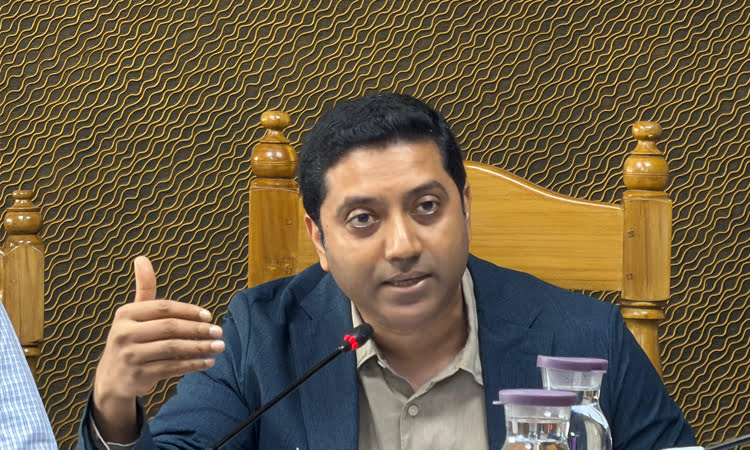
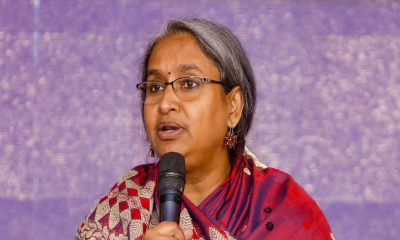
Speaking at a consultation meeting on education reform, State Minister for Primary and Mass Education Bobby Hajjaj said the country`s education system is being redesigned to prepare children for a rapidly changing world while supporting their personal and professional development.
The meeting, organized by the Ministry of Primary and Mass Education, brought together academics and specialists from music, dance, drama and fine arts departments of universities across Bangladesh to discuss curriculum development and teacher training.
Bobby Hajjaj said the planned expansion of music, dance, sports and cultural activities at the primary level would significantly increase demand for qualified instructors and specialized teachers in the coming years.
According to government estimates, the initiative could generate between 50,000 and 60,000 jobs over the next five years, creating new career opportunities for graduates in fields such as music, fine arts, drama, dance and sports education.
The state minister urged universities to prepare students for future teaching roles, saying the government wants graduates from these disciplines to become part of the primary education workforce.
He emphasized that music, drama and dance would no longer be viewed only as extracurricular activities. Instead, the government aims to integrate them into mainstream education as important elements of children`s overall growth and learning.
Officials said work is already underway to develop a new curriculum and build a pool of trained teachers capable of delivering arts and culture-based education in schools across the country.
As part of the reform plan, a new Arts and Culture textbook for Grade 4 is scheduled to be introduced in 2027. The book will include lessons on fine and applied arts, music, dance and drama.
The ministry also plans to fully incorporate these subjects into the national curriculum from 2028, marking a significant shift in the approach to primary education.
Senior ministry officials and representatives from 24 universities attended the meeting, which focused on strengthening creative education and preparing the necessary human resources for its nationwide implementation.

-20260824112248.jpg)
-20260824063249.webp)
-20260823124453.webp)



-20260817061349.jpg)