
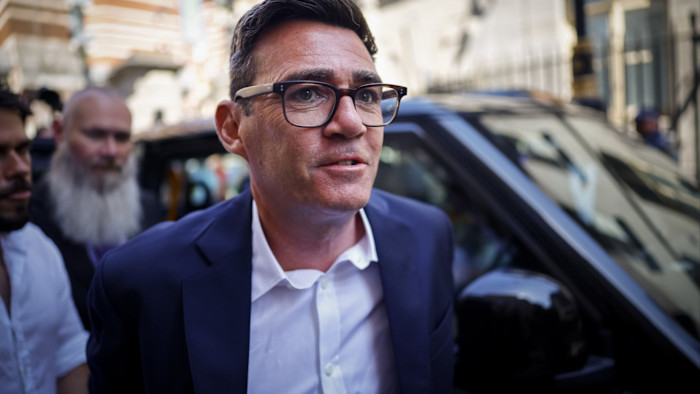
Andy Burnham is set to become Britain`s next prime minister following Keir Starmer`s resignation, but political analysts say he will face immediate pressure to deliver change while maintaining Labour`s existing economic agenda.
Burnham, who returned to Parliament on Monday after winning a special election, is expected to take office on July 17 if he remains the sole candidate in the Labour Party leadership race.
His elevation comes just hours after Starmer announced he would step down as party leader and prime minister following mounting political pressure.
Although Burnham has built a reputation as one of Labour`s most popular and accessible politicians, analysts say he will initially have limited room to depart from the manifesto that brought the party to power in the 2024 general election.
Political experts believe his biggest challenge will be persuading voters that his leadership represents a fresh direction while reassuring financial markets that economic stability will remain a priority.
Burnham is expected to unveil his economic vision next week, focusing on reviving growth, improving public services, tackling the cost-of-living crisis, increasing housing supply and expanding opportunities for young people.
Following Starmer`s resignation, Burnham said his immediate priority would be to provide stability while continuing to address the issues most important to the public.
Despite being viewed as more left-leaning than his predecessor, Burnham has pledged to maintain the government`s current spending and borrowing limits, a move analysts say is designed to reassure investors.
He has also promoted a decentralisation strategy often referred to as "Manchesterism," advocating greater powers for regional authorities over transport, housing, education and public services. Reports have suggested he may relocate parts of the prime minister`s office outside London to support that agenda.
Burnham has ruled out increasing income taxes and has indicated support for easing some tax burdens on businesses. However, economists say questions remain over how his government would fund new policy commitments while meeting higher defence spending targets.
Foreign policy is also expected to test the incoming leader. With limited international experience, Burnham is likely to rely heavily on senior ministers as Britain manages relations with key allies, including the United States and European partners.
Foreign Secretary Yvette Cooper said Burnham remains committed to supporting Ukraine, NATO and Britain`s broader international alliances.
Known for his informal communication style and strong public profile, Burnham is widely regarded as an effective campaigner. Analysts believe he will focus first on consolidating his leadership before pursuing wider constitutional reforms, including changes to the House of Lords and the electoral system.
Observers say Burnham`s success will depend on whether he can convince voters over the coming years that Labour offers both stability and meaningful political change.


-20260826082211.png)

-20260825070038.webp)










-20260824112248.jpg)


-20260823124453.webp)