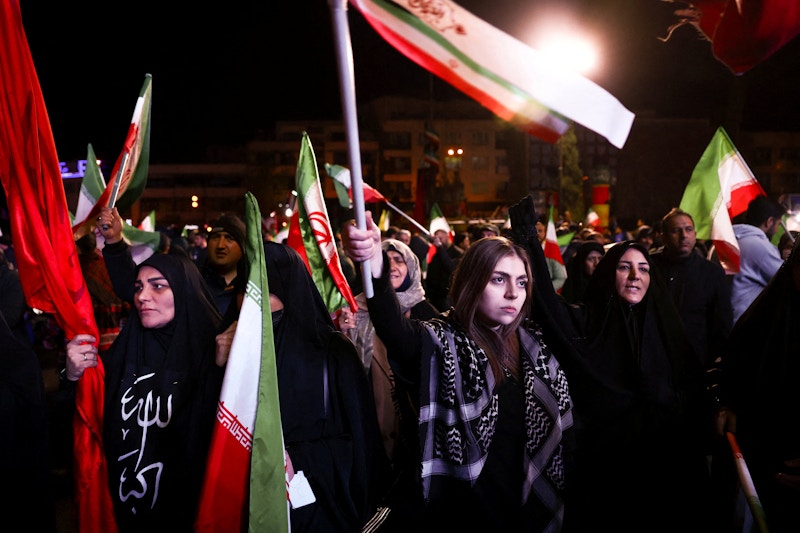
The United States and Iran have agreed to a two-week ceasefire following a last-minute diplomatic intervention by Pakistan, averting an ultimatum from former US president Donald Trump that had warned Iran to surrender or face large-scale military strikes.
Trump announced the agreement less than two hours before his self-imposed 8:00 pm Eastern deadline to target Iranian power plants and bridges—an action legal experts, several governments, and the Pope had cautioned could amount to war crimes.
Earlier in the day, Trump had posted on Truth Social, warning that “a whole civilization” could be destroyed overnight, though he added he did not want such an outcome.
Reports indicated that B-52 bombers were already en route to Iran before the ceasefire was confirmed.
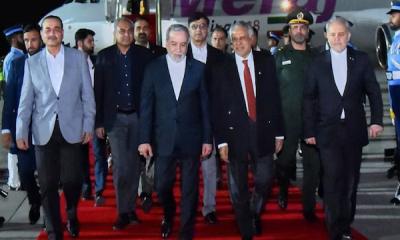
By early Wednesday, Trump said the truce had been brokered with Pakistan’s involvement, after Prime Minister Shehbaz Sharif requested a two-week pause to allow diplomatic efforts to proceed.
In a statement, Trump said the US would suspend attacks provided Iran ensured the “complete, immediate, and safe” reopening of the Strait of Hormuz. He expressed optimism that negotiations during the pause could finalize an armistice based on a 10-point proposal from Tehran.
Describing it as a “two-sided ceasefire,” Trump said US military objectives had largely been achieved and progress had been made toward a broader peace agreement.
Iranian Foreign Minister Abbas Araghchi confirmed Tehran’s acceptance of the ceasefire, stating that safe passage through the Strait of Hormuz would be coordinated with Iran’s armed forces during the two-week period.
The development marks a sharp shift after five weeks of conflict, during which the US failed to secure Iran’s surrender or loosen its control over the Strait of Hormuz—a vital route for roughly one-fifth of global energy supplies, where shipping had slowed significantly.
Israel is also expected to join the ceasefire, according to Axios, with implementation tied to the lifting of the blockade in the strait.
Although Trump had earlier dismissed Iran’s proposal as inadequate, he has previously set and extended similar deadlines during the conflict. He had warned that the hours leading up to the deadline could be among the most critical in global history—unless a breakthrough in diplomacy emerged.

-20260428081016.webp)
-20260428051330.webp)

-20260427054548.jpg)
-20260426061558.webp)






-20260428092348.jpg)