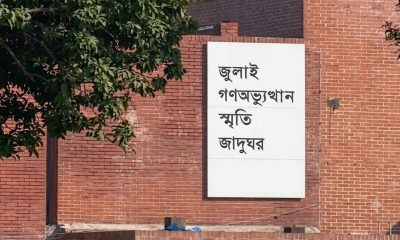

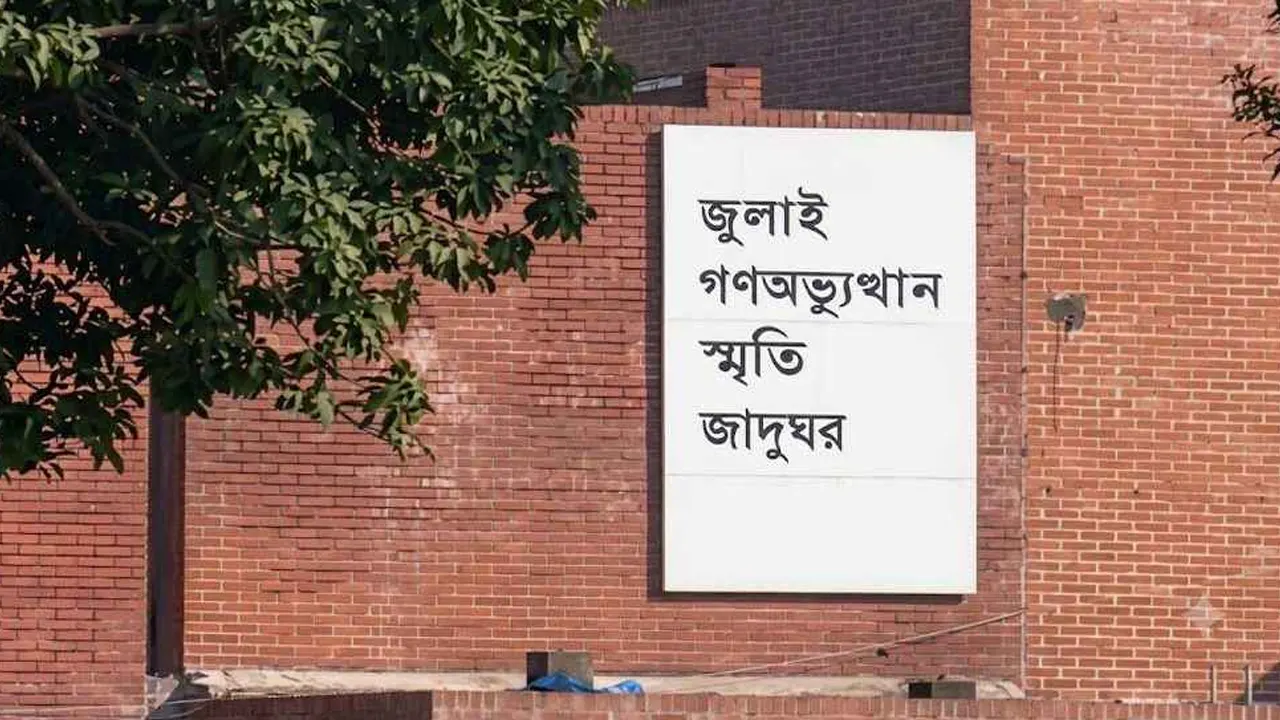
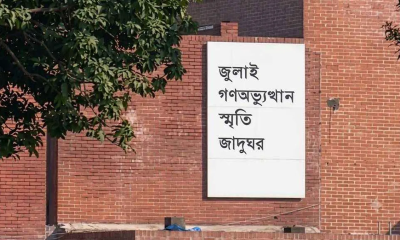
`July Mass Uprising Memorial Museum Act, 2026` has been enacted to establish and operate the July Mass Uprising Memorial Museum.
Under the law, any person causing damage to any immovable artefact of the July Mass Uprising Memorial Museum will be punishable with up to 10 years` imprisonment, a fine of up to Taka 10 lakh, or both.
The law was enacted on April 10, 2026, to establish and operate the museum for preserving, researching and displaying the history, artefacts and documents relating to the July-August 2024 mass uprising and the anti-autocracy movement.
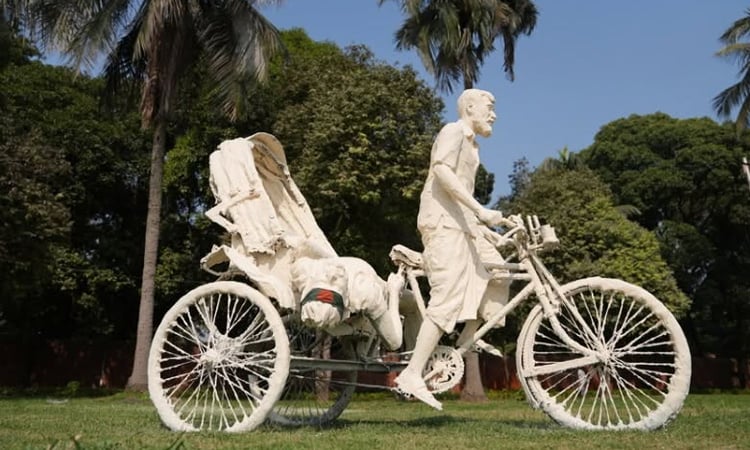
The July Mass Uprising Memorial Museum, established under the law to preserve the memories of the 2024 mass uprising, was inaugurated by Prime Minister Tarique Rahman on August 5. The historic museum was formally opened to the public the following day.
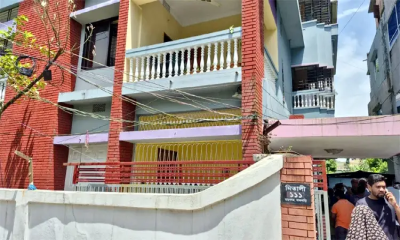
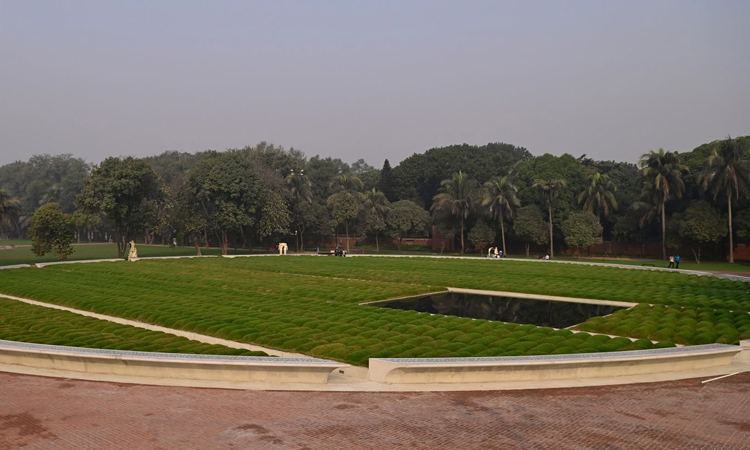
Section 4 of the Act states that the museum`s head office will be located at Ganabhaban in Dhaka. The museum will also have the authority to declare, preserve and maintain secret detention centres where crimes against humanity were committed during the rule of the fascist government from January 1, 2009, to August 5, 2024.
If any such secret detention centre is under the control of an organisation, the organisation will be required to hand it over to the museum in its existing condition.
The detention centres linked to crimes against humanity will be considered and operated as branch museums of the July Mass Uprising Memorial Museum.
According to Section 5, the functions of the museum include searching for, collecting, preserving, researching and displaying historical artefacts and memorabilia related to the July Mass Uprising and the fall and flight of the fascist government; artefacts related to the history of East Bengal, the Language Movement, the struggle for independence and the 1971 Liberation War; and memorabilia, documentary evidence and other objects related to anti-democratic and anti-human rights activities and the rise of fascism.
Section 15 states that, with recommendations from the board and prior government approval, the museum may permanently or temporarily exchange July uprising artefacts with the Bangladesh National Museum or any other museum or individual for display and preservation. It may also give or receive such artefacts as gifts. Such permanent or temporary exchanges, as well as giving or receiving gifts, will require agreements.
Section 16 provides that if there are reasonable grounds to believe that any July Uprising-related artefact is in the possession of any person or organisation, the Director General or an authorised employee may inspect the place concerned and take appropriate measures in accordance with the Act or rules and regulations made under it.
Regarding access to the museum, Section 17 states that members of the public will be allowed to enter the museum upon payment of an admission fee determined by the board.
Section 22 provides penalties for destroying or damaging immovable artefacts. Any person who destroys, damages, alters or causes damage to any immovable artefact of the museum, or any part thereof, will be considered to have committed an offence and will be punishable with up to 10 years` imprisonment, a fine of up to Taka 10 lakh, or both.
Under Section 23, stealing, smuggling, destroying, damaging or altering any movable artefact of the museum will constitute an offence punishable with up to five years` imprisonment, a fine of up to Taka 5 lakh, or both.
Meanwhile, Section 24 states that engraving, writing, inscribing or putting a signature on any collected or registered artefact of the museum will constitute an offence punishable with up to one year`s imprisonment, a fine of up to Taka 10,000, or both.
Section 25 provides that if any officer or employee of the museum is accused of any of the offences mentioned above, departmental proceedings may be initiated against them for misconduct in addition to the prescribed punishment. In such cases, caution must be exercised in reaching a final decision while proceedings are pending before a court.








-20260812100304.jfif)