
A museum in China`s northeastern city of Harbin has published newly highlighted historical records detailing alleged human experimentation carried out by Japan`s Unit 731 during World War II, including tests involving the use of animal blood on prisoners.
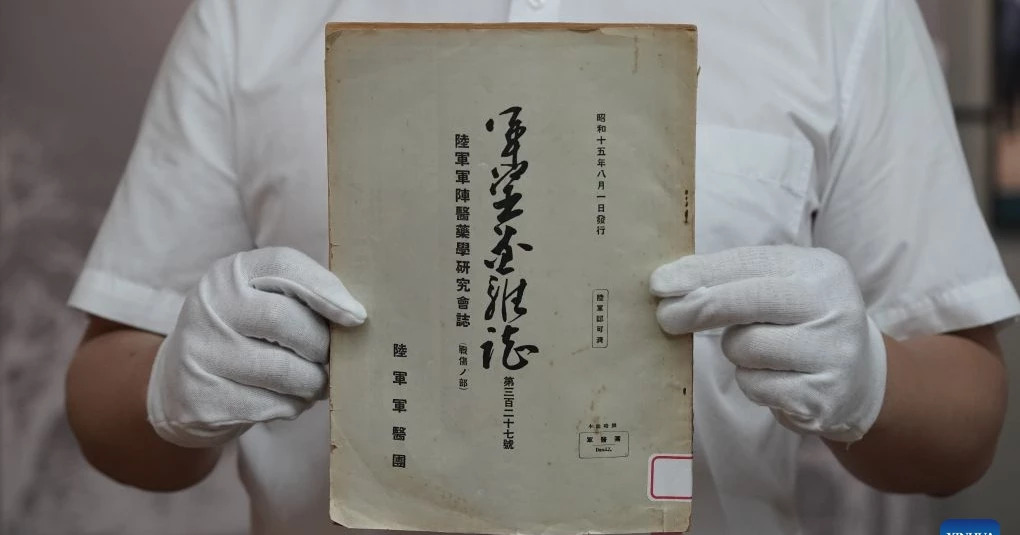
The Exhibition Hall of Evidences of Crimes Committed by Unit 731 said the findings are based on archived documents written by Japanese military surgeon Tsutomu Saito.
According to museum researchers, the records indicate that in 1938, Japanese military personnel conducted a series of experiments on 23 prisoners of war using blood collected from animals such as horses, sheep, dogs, rabbits and chickens.
The study was later presented at a Japanese military medical conference before being published in a military medical journal in 1940, researchers said.
Museum officials noted that the Imperial Japanese Army was exploring different methods of providing emergency blood supplies for wounded soldiers. The research reportedly examined various transfusion techniques, including the use of preserved blood, serum and other alternatives under battlefield conditions.
The archived documents describe experiments involving severe blood loss and subsequent transfusion procedures. Researchers said the records contain observations of serious physical reactions among the subjects following the tests.
According to the museum, other experiments involved injecting animal-derived serum into human subjects and monitoring the effects through medical examinations and laboratory analysis.
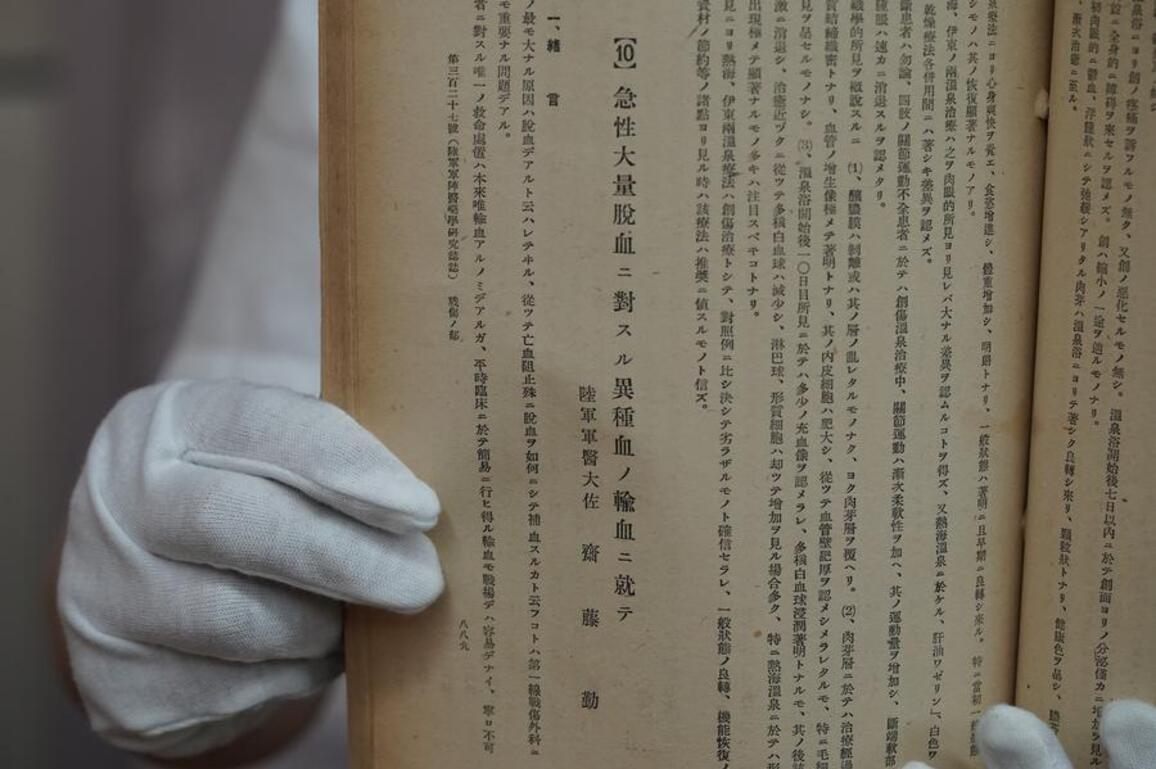
Researchers argued that the publication of such studies in professional journals suggests awareness of the experiments extended beyond a limited group of military scientists and doctors.
The museum also noted that the same journal contained numerous articles by senior Unit 731 figures, including Shiro Ishii and Masaji Kitano, covering topics related to bacteriological warfare and military medical research.
The findings recently drew attention in Japan after being reported by media outlets, including Kyodo News, which described the experiments as a serious violation of medical ethics.
Commenting on the issue, Chinese Foreign Ministry spokesperson Guo Jiakun said wartime human experimentation and biological warfare remain a dark chapter of history that should not be forgotten.
Unit 731, based in Harbin during World War II, has long been associated with allegations of biological weapons development and human experimentation carried out by the Imperial Japanese Army across occupied territories in Asia.