

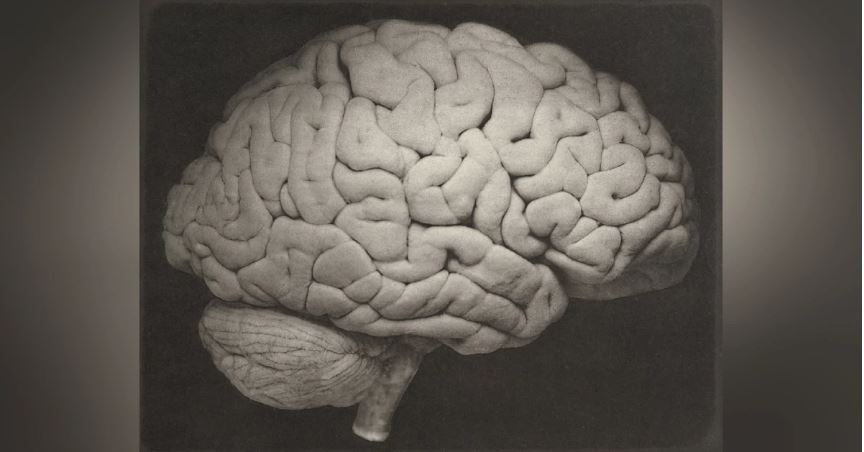
According to an analysis of cranial fossils, human brains have reduced in size over the years. Scientists have even identified the possible time when the shrinkage started: Approximately 3,000 years ago, according to a BBC report.
According to the National Geographic Society, agriculture emerged sometime between 5,000-10,000 years ago. Soon after the emergence of agriculture, civilizations, full of architecture and machinery started to emerge in various parts of the world. According to the BBC, the first writing also appeared at the same time.
However, one question that left the researchers scratching their heads is why exactly did the human brain start to shrink in size while there were extraordinary technological advances going on at the same time?
Apart from the reason behind this shrinkage, another question which hovers around is whether the size of the brain affects an animal's cognitive ability and intelligence.
According to DeSilva and his colleagues, it is difficult to know what prompts brains to get bigger or smaller over time. In their study, the researchers note that human bodies have shrunk over time, but not sufficiently to account for our diminishing brain size.
To understand the phenomenon, DeSilva and his colleagues sought inspiration from a very unlikely source – the humble ant, according to BBC.
However, some ant societies are strikingly identical to our own. Incredibly, there are ant species that engage in a form of agriculture in which they cultivate vast swaths of fungus within their colonies.
When DeSilva's team compared the brain sizes of various ant species, they discovered that those with vast societies had sometimes evolved larger brains, unless they had also evolved a preference for fungus farming, BBC reports.
This finding suggests that for an ant, having a bigger brain is important for doing well in large society.
It also suggests that more complex social systems with great division of labor might prompt their brains to shrink.
DeSilva believes this could be the case for humans as well.
One other reason which might prompt the shrinkage in human brains is writing, according to DeSilva. He questioned whether the emergence of writing could have influenced brain volume through “externalizing information in writing and being able to communicate ideas by accessing information that’s outside your own brain”.
Although these hypotheses are nowhere near conclusion, it could be a starting point to think about what might cause the “notable and relatively recent” reduction in human brain size, DeSilva says.
Another question which needs to be addressed is whether smaller brains mean humans became stupider.
A team of researchers in 2018 analyzed a vast amount of data collected from UK Biobank, a biomedical database that contains, among other things, brain scans and IQ test results for thousands of people.
Analysis of the data collected from 13,600 people found that a bigger brain was, on average, associated with doing slightly better on IQ tests but, crucially, the relationship was non-deterministic, according to BBC.







-20260611120101.jpg)
-(1)-20260611115120.jpg)
-20260611112822.png)

























-20260610082702.jpg)