
The World Trade Organization (WTO) has expressed confidence in Bangladesh`s trade future, pledging continued support to help the country strengthen its economy, expand exports and improve its competitiveness in global markets.
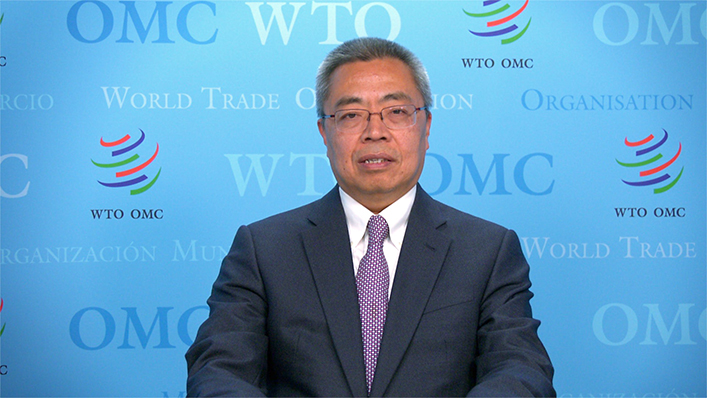
In an interview with BSS, WTO Deputy Director-General Xiangchen Zhang said Bangladesh has made significant progress through international trade assistance programmes and remains one of the leading beneficiaries of the WTO-backed Aid for Trade initiative.
According to data from the Organisation for Economic Co-operation and Development (OECD), Bangladesh received approximately $2.6 billion in Aid for Trade support between 2006 and 2024, the highest amount among least developed countries during that period.
Zhang said a large share of the funding was used to improve economic infrastructure, particularly in the energy and transport sectors. Additional support was directed toward productive industries such as agriculture, banking and financial services, while a smaller portion was allocated to trade policy and regulatory development.
He noted that improving infrastructure and boosting productive capacity have remained key priorities because they help countries overcome barriers to trade and strengthen economic resilience.
Looking ahead, the WTO expects future assistance to place greater emphasis on digitalisation, institutional development and trade policy expertise alongside ongoing infrastructure investments.
Zhang said stronger trade policy skills would help Bangladesh better navigate changes in the global trading system and make greater use of international market opportunities.
The WTO official highlighted the organization`s ongoing cooperation with Bangladesh`s Ministry of Commerce and other government agencies through training programmes, technical assistance and policy support initiatives.
He said WTO-led programmes have already helped hundreds of Bangladeshi officials improve their understanding of international trade issues. Following a recent training programme on WTO notification requirements, Bangladesh requested additional support focused on trade negotiation skills.
According to Zhang, the WTO hopes to launch that specialised training programme in the coming months.
The organization also reported that 281 Bangladeshi officials have participated in various WTO training activities, including online courses, regional workshops and advanced trade policy programmes. In addition, several young professionals from Bangladesh have benefited from WTO internship and placement opportunities.
Discussing global economic challenges, Zhang said international cooperation remains essential in addressing trade disruptions and economic uncertainty. He pointed to the WTO`s role in promoting dialogue among member countries and improving transparency through trade monitoring mechanisms.
He also cited cooperation during the COVID-19 pandemic and international efforts to protect food supplies during global crises as examples of how coordinated action can support economic stability.
While Bangladesh is globally known for its ready-made garment exports, Zhang said the country is gradually building a more diverse export portfolio.
He identified sectors such as footwear, pharmaceuticals, jute products, plastics, home textiles, light manufacturing and digital services as areas with strong growth potential.
The WTO official added that greater investment in technology, product design, innovation and branding would help Bangladeshi businesses compete more effectively in international markets.
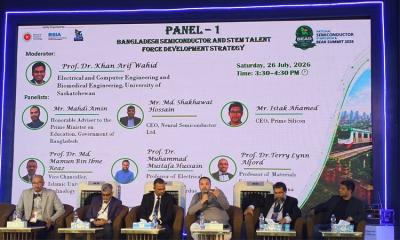
He also pointed to emerging opportunities in high-tech industries, including Bangladesh`s growing participation in parts of the global semiconductor supply chain, which could create skilled jobs and open new export avenues.
Expressing optimism about the country`s future, Zhang said continued investment in infrastructure, workforce development, innovation and policy capacity would help Bangladesh strengthen its position in the global economy and achieve sustainable long-term growth.






-20260725074113.jpg)









-20260720043233.jpg)