
Indonesia’s central bank has unexpectedly increased its benchmark interest rate, moving to 5.5 percent in a surprise decision aimed at defending the rupiah and stabilising financial markets amid rising global uncertainty.
The policy shift came just over a week ahead of the country’s scheduled monetary policy meeting, highlighting growing concerns within Bank Indonesia over currency pressure and external economic shocks.
Officials said the decision was driven by “high global volatility,” including ongoing geopolitical tensions in the Middle East that have added pressure on emerging market currencies.
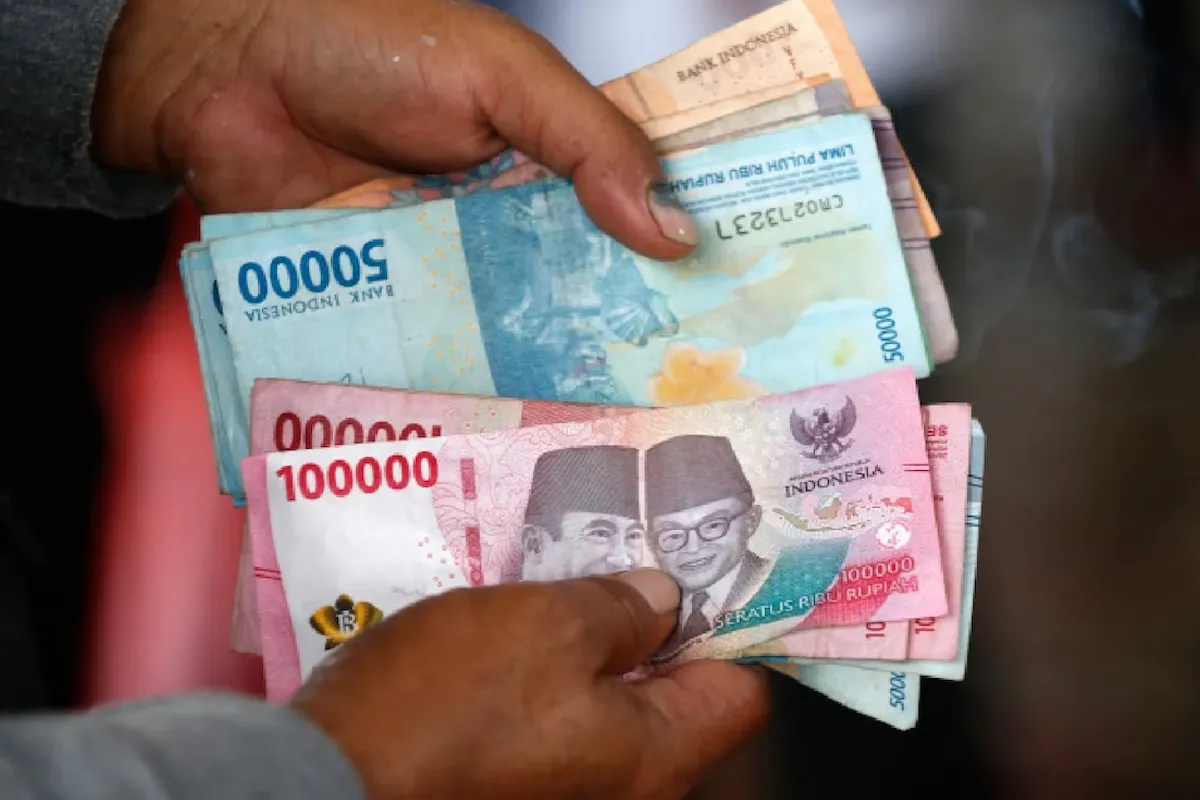
The rupiah has been under sustained strain, recently slipping past 18,000 per US dollar, marking a historic low. Rising global energy prices and capital outflows have further weakened the currency, which has already fallen more than seven percent this year and ranks as Asia’s worst-performing currency, according to Bloomberg.
The latest hike follows an earlier, sharper 50-basis-point increase last month, as policymakers attempt to contain inflation risks and restore investor confidence.
In its statement, the central bank said the move is intended to strengthen exchange rate stability and keep inflation within the government’s target range of 2.5 percent, plus or minus one percentage point, through 2026 and 2027. It also noted that higher interest rates are expected to support foreign investment inflows by improving returns for global investors.
Financial markets reacted positively to the announcement, with Jakarta’s benchmark stock index rising nearly five percent in early trade.
However, concerns remain over Indonesia’s broader economic outlook. The country’s stock market has lost about a third of its value in 2026, while tightening global financial conditions continue to weigh on investor sentiment.
Recent policy developments have also added to market caution, including a parliamentary move expanding the central bank’s mandate to include economic growth targets and increasing legislative oversight, raising questions about its independence.
Indonesia, a net oil importer, has been further hit by surging global crude prices triggered by the Middle East conflict. Despite rising costs, the government has kept fuel subsidies unchanged, adding pressure to public finances.
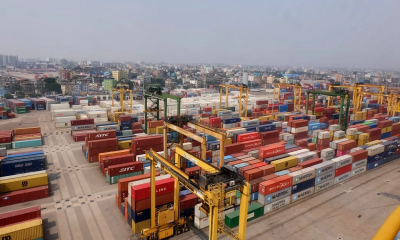
Trade data also shows signs of strain, with Indonesia’s trade surplus narrowing sharply to $89 million in April, down from $3.3 billion in the previous month.
Adding to investor uncertainty, recent government steps to tighten controls on commodity exports have sparked concerns over rising economic nationalism in the world’s largest palm oil producer.