


Farmers worldwide are facing mounting pressure as fertilizer supplies tighten and costs rise following disruptions in the Strait of Hormuz linked to the ongoing Iran conflict.
The near shutdown of the key shipping route has affected global trade in essential nutrients such as nitrogen and phosphate, raising concerns over crop yields and future food prices.
Experts warn that developing countries are particularly vulnerable, as many rely heavily on fertilizer imports from Gulf nations.
The shortage comes at a critical time, with planting seasons underway in several regions.
Carl Skau of the World Food Programme said delays in fertilizer supply could lead to reduced yields or even crop failures, while higher input costs are likely to push up food prices globally.
The conflict has disrupted a significant portion of global urea trade, a key fertilizer used to boost crop growth, as rising energy prices and shipping constraints limit production and distribution.
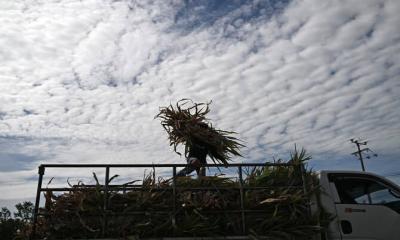
Farmers are already feeling the impact. In India, smallholders have expressed concern over whether they will be able to afford fertilizers during peak demand periods, while similar challenges are being reported in parts of Africa and Europe.
Analysts say even short delays in fertilizer application can reduce crop output, potentially tightening global food supply in the coming months.
With alternative suppliers struggling to fill the gap, governments may need to step in through subsidies or policy measures to stabilise the sector.
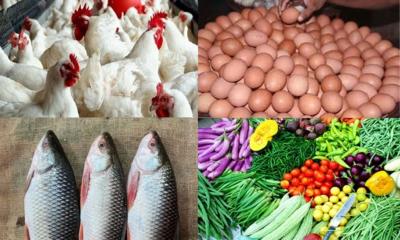
Experts also warn that prolonged disruption could expose vulnerabilities in global food systems, increasing the risk of higher food prices and economic strain on vulnerable populations.

-20260904064352.webp)

















-20260828064640.webp)





-20260828120358.webp)