-20260329045934.webp)
Iran-backed Houthi rebels have entered the ongoing Middle East war, raising fresh concerns over global shipping and energy supplies as the conflict enters its second month.
The Houthis claimed they launched two missiles toward Israel on Saturday, targeting what they described as sensitive military sites. Their involvement has heightened fears that attacks could again disrupt shipping routes through the Bab el-Mandeb Strait, a key passage for about 12% of global trade.
The war has already disrupted oil and gas supplies, triggered fertilizer shortages, and affected air travel. Iran’s control over the strategic Strait of Hormuz has further shaken global markets.
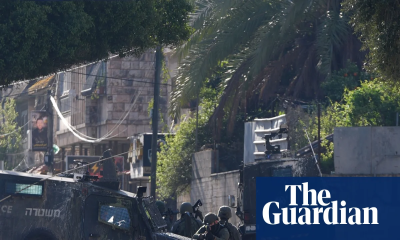
Meanwhile, the United States and Israel have continued strikes on Iran, which has responded with missile and drone attacks on Israel and Gulf countries. Witnesses reported heavy airstrikes in Tehran late Saturday. The U.S. says it has hit more than 11,000 targets in Iran so far.
In a possible sign of limited relief, Iran agreed to allow humanitarian aid and agricultural shipments through the Hormuz Strait following a UN request. However, U.S. President Donald Trump has set an April 6 deadline for Tehran to fully reopen the waterway.
The conflict is also intensifying militarily. Around 2,500 U.S. Marines have arrived in the region, along with additional airborne troops. More than two dozen American personnel were recently wounded in Iranian attacks on a Saudi air base.
Diplomatic efforts are underway, with Pakistan hosting talks involving Saudi Arabia, Turkey and Egypt aimed at ending the conflict. However, Iran has expressed skepticism over recent proposals.
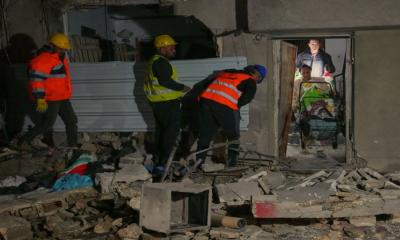
The death toll has exceeded 3,000 across the region, including in Iran, Israel, Lebanon and Iraq, underscoring the growing scale of the crisis.





-20260329045934.webp)











-20260323073534.jpeg)