
High-level negotiations between the United States and Iran in Switzerland concluded on Monday with both sides agreeing to establish a new mechanism aimed at reducing tensions in Lebanon, while technical discussions are set to continue throughout the week.
The talks form part of a 60-day diplomatic effort launched to transform a temporary agreement between Washington and Tehran into a broader deal addressing regional security and Iran`s nuclear programme.
Mediators Pakistan and Qatar announced that a joint "de-confliction cell" would be created with the participation of the Lebanese government to help oversee the implementation of a ceasefire and reduce the risk of further military escalation in southern Lebanon.
The effectiveness of the initiative remains uncertain, however, as clashes between Israel and the Iran-backed Hezbollah movement continue to threaten regional stability.
Iran welcomed the mediation efforts, describing the latest discussions as a positive step, while US officials did not immediately comment on the agreement.
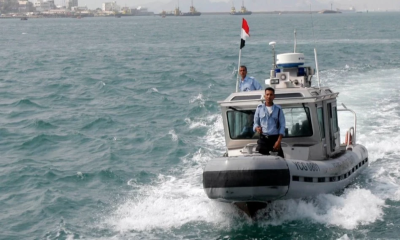
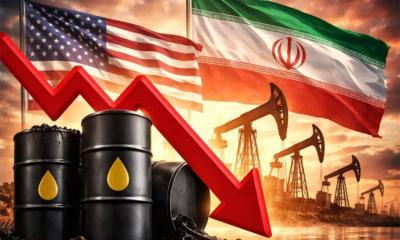
The negotiations unfolded against the backdrop of renewed tensions over the Strait of Hormuz, a vital route for global oil shipments. Iranian authorities maintained that the waterway had been closed again, while the United States insisted commercial shipping continued without disruption.
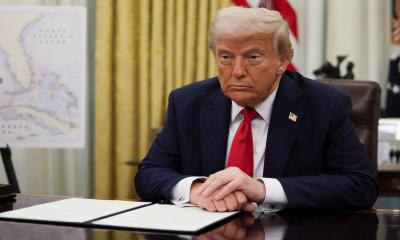
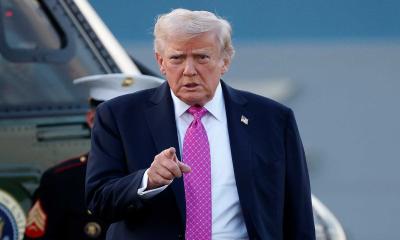
Sunday`s discussions in Switzerland also faced early friction after comments by US President Donald Trump regarding Iran and Hezbollah drew a sharp response from Iranian officials.
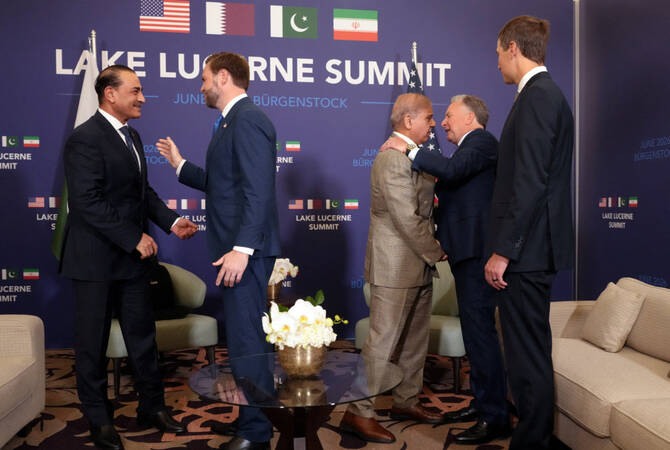
Despite the tensions, senior American and Iranian negotiators held direct talks lasting around 80 minutes. The meeting involved US Vice President JD Vance, senior US envoys and top Iranian officials, including Parliament Speaker Mohammad Bagher Qalibaf and Foreign Minister Abbas Araghchi.
Following the meeting, Pakistan and Qatar confirmed that lower-level technical negotiations would continue in Switzerland in an effort to resolve key outstanding issues before another round of high-level talks.
Diplomatic sources said discussions focused on maintaining freedom of navigation through the Strait of Hormuz, enforcing a ceasefire in Lebanon and addressing concerns surrounding Iran`s nuclear activities.
Iranian officials indicated that progress on broader issues would depend on the successful implementation of commitments already outlined in the interim agreement.
The temporary accord signed earlier this month allows Iran greater access to international oil markets and frozen financial assets while opening the door to negotiations on longer-term nuclear arrangements.
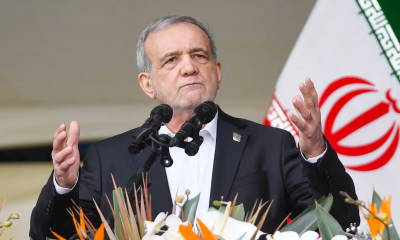
One of the most contentious issues remains uranium enrichment. Iranian President Masoud Pezeshkian reiterated that Tehran would not abandon what it considers its right to enrich uranium, a position likely to remain a central topic in upcoming negotiations.
While diplomats described the opening round as constructive, major differences remain on several key issues, leaving the success of the wider diplomatic process far from guaranteed.

-20260824063249.webp)
-20260823105444.webp)


-20260824112248.jpg)




-20260823124453.webp)