Use of artificial intelligence (AI) and digital technologies are growing rapidly among the law enforcement agencies aiming to curb cybercrime, financial fraud, and urban security threats while improving public service delivery.
A major step in this transformation came on April 29 last when the Dhaka Metropolitan Police launched nine new digital systems designed to modernize policing.
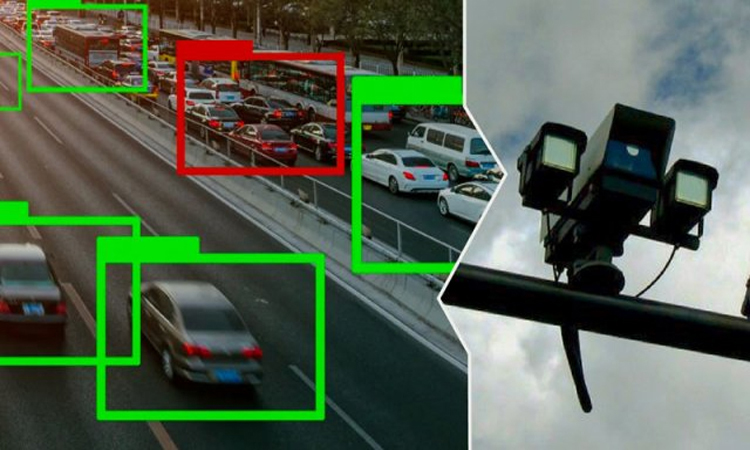
The newly deployed AI systems will monitor major the capital’s intersections- including Hotel InterContinental, Banglamotor, Karwan Bazar, and Bijoy Sarani- using intelligent video analytics to detect traffic violations in real time.
The systems enabled automated evidence collection and e-prosecution, reducing human intervention and improving enforcement efficiency.
Inspector General of Police Md. Ali Hossain Fakir said integrating advanced technology is now central to build a modern, citizen-friendly police force.
He said crime is becoming increasingly complex and technology-driven, requiring continuous adaptation by law enforcement agencies.
AI is also being used in smart CCTV systems capable of detecting suspicious movements, unattended objects, and potential threats. Advanced video recognition tools can identify weapons or violent behavior, while sensor-based systems can detect gunshots and pinpoint locations within seconds, allowing faster response times.
The expansion of AI policing comes amid a rise in technologically sophisticated crimes. Authorities have recently detained several suspects in Dhaka and Narsingdi for allegedly using generative AI to create deepfake content, defamatory media, and forged government documents.
Officials from the Ministry of Home Affairs confirmed that these arrests are part of a broader nationwide crackdown targeting AI-driven criminal activities, including blackmail, fraud, and misinformation campaigns.
Under new legal provisions, individuals to be found guilty of using AI for crimes such as non-consensual deepfake creation, revenge pornography, or extortion, will face penalties of up to five years of rigorous imprisonment.
These measures are intended to deter misuse of emerging technologies while protecting citizens’ digital rights.
At the international level, Bangladesh has reinforced its commitment to technology-driven law enforcement. Speaking at the Global Fraud Summit 2026 in Vienna, Home Minister Salahuddin Ahmed highlighted the country’s zero-tolerance policy against terrorism, narcotics, human trafficking, corruption, and financial crimes.
He noted that AI is playing an increasingly critical role in detecting money laundering and financial fraud, particularly in high-risk sectors such as banking, non-bank financial institutions, real estate, and jewelry markets.
Enhanced monitoring system, regulatory oversight, and compliance mechanism are being introduced to improve transparency and accountability.
The minister also reaffirmed strict enforcement of key legislation, including the Money Laundering Prevention Act, 2012 and the Mutual Legal Assistance Act, 2012, alongside stronger international cooperation to dismantle transnational criminal networks.
Bangladesh has strengthened its public safety infrastructure by introducing a range of citizen-focused digital platforms designed to improve accessibility, responsiveness, and law enforcement coordination.
Among the initiatives ‘Hello CT (Hello City)’ allows individuals to anonymously report terrorism, extremism, cybercrime, and drug-related activities, enhancing community participation in security efforts.
Similarly, the ‘Report to BGB’ platform supports border guard authorities in tackling smuggling and illegal infiltration.
To address gender-based concerns, the government has introduced the ‘HELP’ (Harassment Elimination Literacy Programme), which enables women to file complaints about harassment in public transport, with cases automatically registered for action.
A dedicated ‘3333 hotline’ is in the pipeline, aimed at responding specifically to incidents of violence against women.
Meanwhile, broader public services continue to be strengthened through the ‘BD Police Helpline’, which facilitates General Diary (GD) filing and emergency communication.
The widely used ‘999 National Emergency Service’ remains a critical lifeline, providing immediate access to police, fire, and ambulance services nationwide.
Together, these initiatives reflect Bangladesh’s growing emphasis on integrating digital tools into public safety systems, ensuring faster response times and greater citizen engagement.
Specialized units such as the Cyber Police Centre (CPC) under the Criminal Investigation Department and BGD e-GOV CIRT are enhancing cybercrime investigation, digital forensics, and protection of national information infrastructure.
Despite its advantages, the expansion of AI in policing has raised concerns among legal experts and human rights advocates.
Key issues include risks of mass surveillance, data privacy violations, algorithmic bias, and potential misuse of automated systems.
Experts stress the importance of strong human oversight, transparent governance frameworks, and ethical safeguards to ensure accountability.
The government has acknowledged the concerns and stated its commitment to aligning AI deployment with international legal standards and best practices, they said.



























-20260517114808.jpg)