


The World Bank has approved $1.1 billion in financing for two emergency projects aimed at helping Bangladesh strengthen food and energy security, cushion the impact of global price shocks and respond more effectively to future crises.
According to a World Bank statement issued on Saturday, the funding will support fertiliser imports, emergency assistance for vulnerable households and businesses, and the uninterrupted supply of essential fuel and energy services.
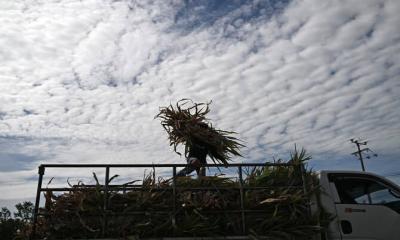
Of the total package, $300 million has been allocated to the Emergency Support for Food Security Project, which will help Bangladesh import fertilisers needed for the upcoming Aman and Boro rice-growing seasons.
The project will finance the import of 600,000 metric tonnes of fertiliser, including 300,000 metric tonnes of urea, benefiting around 1.4 million hectares of rice cultivation managed by smallholder farmers.
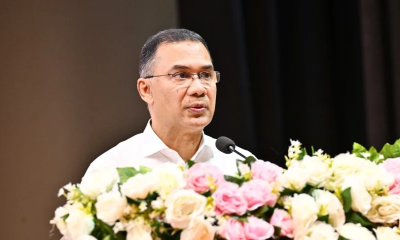
World Bank Division Director for Bangladesh and Bhutan Jean Pesme said rising food, fertiliser and fuel prices, driven by the Middle East conflict and fiscal pressures, have placed significant strain on Bangladesh`s economy, particularly affecting poor households and small farmers.
He said the financing would help ensure a steady fertiliser supply, protect livelihoods and support the continuation of essential public services.
World Bank Lead Economist Souleymane Coulibaly said Aman and Boro crops account for about 90 percent of Bangladesh`s rice production, making uninterrupted fertiliser supplies critical to national food security and rural employment.
The remaining $713 million will fund the Contingent Emergency Response Project, designed to provide rapid financial support during emergencies.
The project will finance cash transfers, livelihood assistance for affected households and micro, small and medium-sized enterprises, as well as fuel and energy supplies needed to maintain essential services, including food distribution, healthcare and water services.
The World Bank said the emergency response project is expected to disburse funds by June 30, 2026.
Lead Disaster Risk Management Specialist Lesley Jeanne Yu Cordero said the initiative would enable Bangladesh to quickly access financing by redirecting unused funds from existing World Bank projects to areas facing urgent needs, helping protect people, businesses and jobs during crises.










-20260904064352.webp)







-20260828064640.webp)



-20260828120358.webp)