
The World Health Organization has called for immediate steps to control the ongoing measles outbreak in Bangladesh, warning that transmission could intensify without stronger surveillance and wider vaccination coverage.
In its latest assessment, the UN health agency recommended ensuring at least 95 percent coverage of both doses of the measles vaccine across all areas, alongside faster detection of suspected cases in both public and private healthcare facilities.
It stressed the need to strengthen monitoring, particularly in high-traffic border regions, to quickly identify infections and prevent further spread.
The WHO also advised deploying trained rapid response teams and enforcing national protocols to contain imported cases and avoid a return of widespread transmission.
Hospitals have been urged to adopt strict infection control measures, including isolating patients and limiting contact to reduce in-hospital transmission.
The agency said vaccination campaigns should prioritise high-risk groups such as healthcare workers, transport staff and international travellers, while also targeting migrant populations in border areas.
Despite the outbreak, the WHO said there is currently no need for travel or trade restrictions.
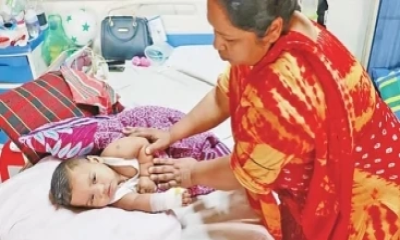
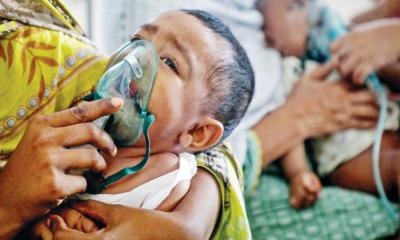
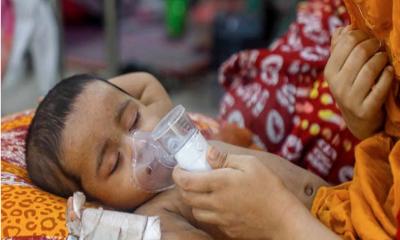
It assessed the national risk as high, citing ongoing transmission, immunity gaps and suspected measles-related deaths. Most infections are among unvaccinated or partially vaccinated children, including infants too young for vaccination.
The outbreak has raised concerns about setbacks in Bangladesh’s progress toward measles elimination, with urban centres such as Dhaka, Chattogram, Sylhet and Cox’s Bazar identified as high-risk areas due to mobility and population density.
Regional transmission in neighbouring countries has also increased the risk, particularly in border districts, as cross-border movement continues.
Health experts warn that without sustained immunisation efforts and improved coverage, the outbreak could persist and pose a serious threat to child health.













-20260824112248.jpg)


-20260828064640.webp)