

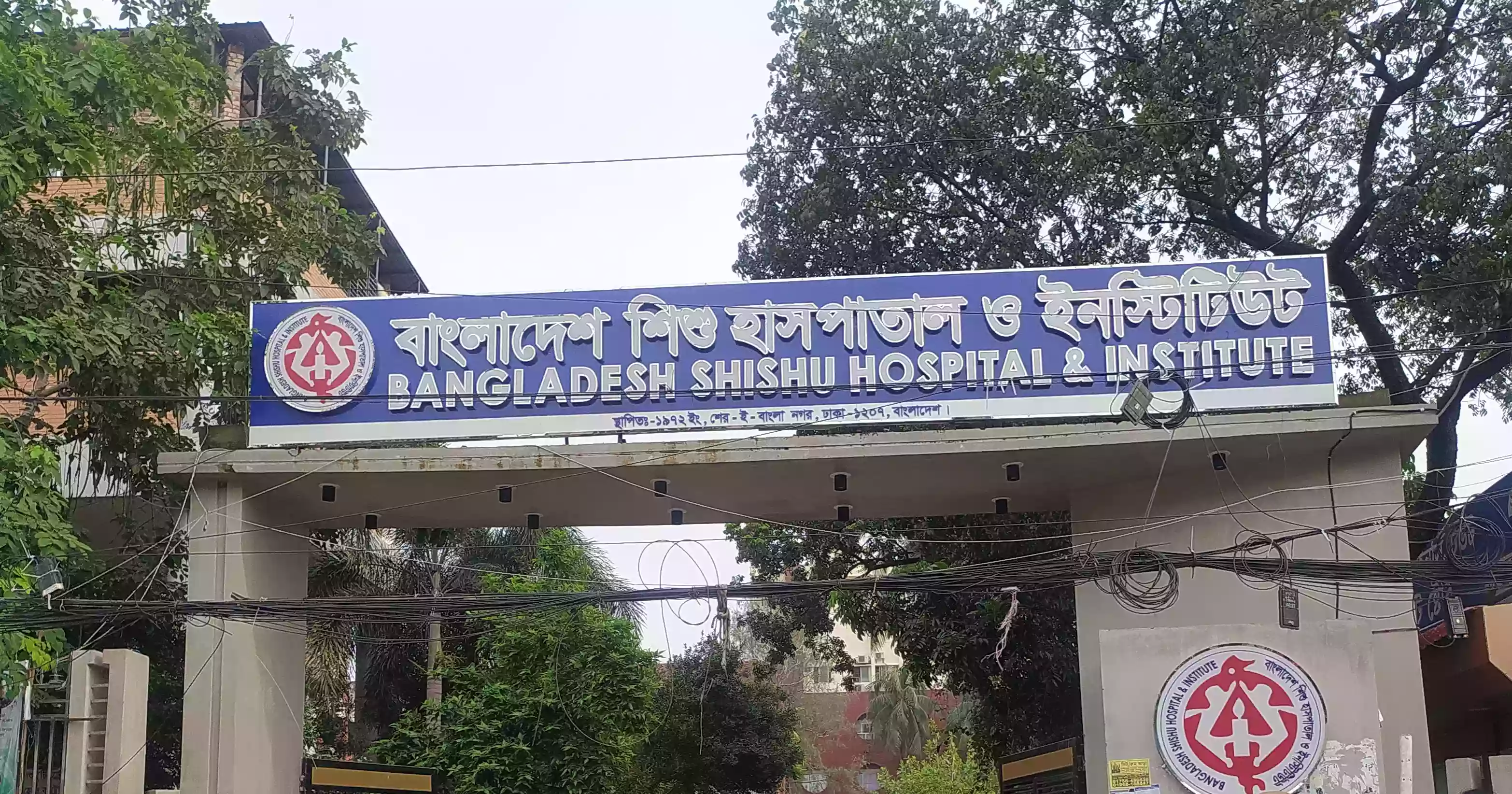
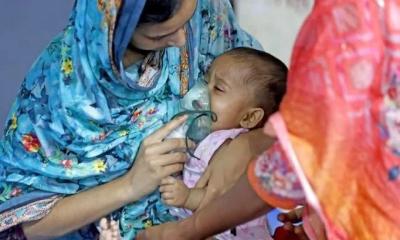
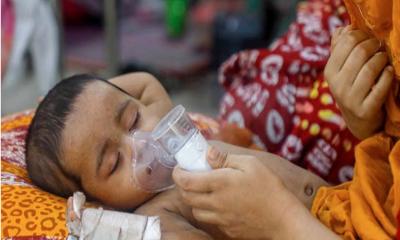
Every day hundreds of anxious parents arrive at Bangladesh Shishu Hospital and Institute (BSHI) with critically ill children, hoping for treatment that could save young lives.
But the country’s largest specialised paediatric hospital has long been under pressure, struggling with rising patient loads and limited capacity for advanced care.
Now, the government has undertaken a Tk 344.02 crore expansion project aimed at transforming the hospital into a more advanced and comprehensive centre for specialised child healthcare.
The proposed “Bangladesh Shishu Hospital and Institute Expansion Project-2”, scheduled for implementation between July 2026 and June 2028, seeks to expand infrastructure, introduce cutting-edge treatment facilities and strengthen specialised services that remain limited across Bangladesh.
Responding to Growing Demand
The expansion comes at a critical time when demand for specialised paediatric treatment is rising steadily due to population growth, improved disease detection and greater public awareness of children’s healthcare needs.
According to project documents, the expansion will include the addition of 100 new beds and six cabins, five state-of-the-art operation theatres and nearly 1,400 advanced medical equipment.
The project also envisages the procurement of more than 1,700 furniture and the introduction of extensive hospital automation through 36 software packages, aimed at improving patient management and service delivery.
At the heart of the initiative is the vertical expansion of the hospital’s existing C-Block at Sher-e-Bangla Nagar.
The building will be extended from the fourth floor to the ninth floor, creating an additional 4,461 square metres of floor space without requiring any new land acquisition.
Planning Commission officials said the site already possesses the structural foundation necessary for vertical expansion, reducing implementation risks and avoiding the delays often associated with land acquisition and utility relocation.
Bringing Advanced Care Within Reach
The expansion will facilitate the introduction and strengthening of paediatric urology, kidney transplantation, surgical oncology and orthopaedic surgery services.
For many families, these are treatments that currently require referrals abroad or lengthy waits at a handful of specialised facilities.
The hospital is also set to establish a comprehensive paediatric cardiac care programme, including a catheterisation laboratory (Cath Lab), cardiac intensive care beds, dedicated operation theatres and post-operative recovery units.
Congenital heart diseases remain among the leading causes of childhood illness requiring specialised intervention.
Health experts believe expanded cardiac facilities could significantly improve survival rates while reducing treatment costs for families.
Strengthening Diagnostics
The project further seeks to improve diagnostic accuracy and speed through the installation of advanced imaging technologies, including CT scan and MRI facilities.
Such equipment plays a crucial role in diagnosing neurological disorders, cancers, congenital abnormalities and other complex childhood diseases.
Doctors say delayed diagnosis often contributes to poor treatment outcomes, particularly for patients arriving from remote districts.
Reducing Medical Migration
Bangladesh has made notable progress in child health indicators over the past decades, including reductions in child mortality and improvements in immunisation coverage.
However, access to specialised paediatric treatment remains uneven, forcing many families to seek expensive care abroad, particularly in neighbouring countries.
Health sector officials believe the planned expansion of BSHI could help bridge that gap by making advanced treatment available domestically.
A Legacy Nearly Five Decades in the Making
The story of Bangladesh Shishu Hospital is closely intertwined with the country’s post-independence healthcare development.
Founded in 1972 by noted philanthropist Prof Tofayel Ahmed with support from voluntary organisations and the government, the institution began modestly with a 50-bed inpatient facility operating from a rented house in Dhanmondi and outpatient services from a tent in Sukrabad.
What started as Bangladesh’s first specialised children’s hospital gradually evolved into the nation’s premier paediatric healthcare and training centre.
A landmark decision by the National Economic Council in 1974 paved the way for the construction of a dedicated 250-bed hospital, later designed for expansion to 500 beds. The institution moved to its permanent Sher-e-Bangla Nagar campus in 1977.
Over the decades, the hospital expanded beyond patient care to become a major centre for medical education and research through the Bangladesh Institute of Child Health (BICH), established in 1983.
Today, it trains specialists in paediatrics, neonatology, nephrology, cardiology, neurology, pulmonology, haemato-oncology and paediatric surgery, while also producing skilled nurses and allied health professionals.
In 2021, Parliament elevated the institution’s status through the Bangladesh Shishu Hospital Act, formally transforming Dhaka Shishu Hospital into Bangladesh Shishu Hospital and Institute.
Investing in the Future
The government’s Election Manifesto 2026 places particular emphasis on strengthening maternal and child healthcare services, and the new expansion project aligns closely with that commitment.
Beyond bricks and mortar, the investment represents a broader recognition that specialised healthcare for children is essential to the country’s future human development.
For families arriving from distant districts with critically ill children, the expansion promises something more tangible: shorter waiting times, improved access to advanced treatment and the possibility of receiving world-class care closer to home.
If implemented successfully, the project could mark another major milestone in the evolution of Bangladesh’s premier children’s hospital—from a small post-independence initiative into one of South Asia’s leading centres for paediatric healthcare.







-20260725074113.jpg)











-20260720043233.jpg)