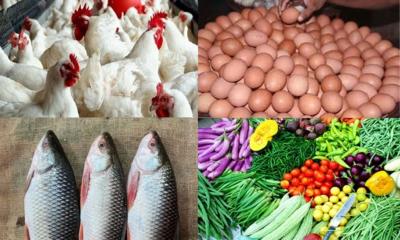

Unsafe and contaminated food continues to pose a major global health threat, causing an estimated 1.5 million deaths every year, according to a new report released by the World Health Organization (WHO).
The findings were published ahead of World Food Safety Day and highlight how foodborne diseases and toxic contamination remain widespread despite ongoing global efforts to improve food safety standards.
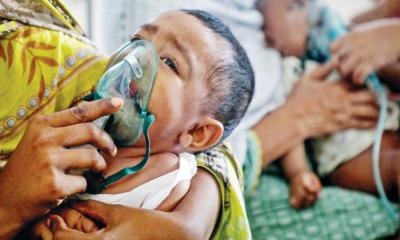
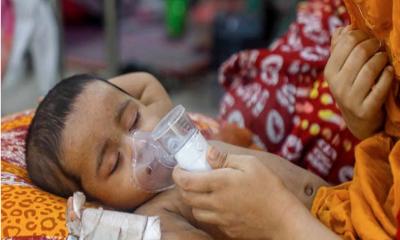
The report shows that young children are among the most vulnerable. Although children under five make up about nine percent of the global population, they account for nearly one-third of food-related illness cases. Many of these infections are linked to severe diarrhoeal diseases that can quickly become fatal.
WHO also raised concern over long-term harm caused by chemical contamination in food. Substances such as lead and methylmercury were identified as major risks, with the potential to damage brain development in children and cause lifelong neurological and developmental disorders.
WHO Director-General Dr Tedros Adhanom Ghebreyesus said food safety remains a critical but often overlooked public health issue that affects every household every day. He stressed that new data reveals the full scale of both health and economic damage caused by unsafe food.
According to the study, food contaminated by bacteria, viruses and parasites led to around 860 million illnesses in 2021. However, chemical hazards were responsible for the majority of deaths linked to unsafe food exposure.
The report found that chemical contamination accounted for nearly 73 percent of foodborne deaths that year. In particular, exposure to inorganic arsenic and lead was linked to more than one million deaths, mainly through long-term risks such as heart disease and cancer.
Food contamination can occur at different stages, including polluted water sources, unsafe handling practices, and environmental pollution entering the food chain through industrial activity. WHO warned that once toxic substances enter food systems, they are extremely difficult to remove.
The report also highlighted major regional inequalities. Africa and Southeast Asia together accounted for almost three-quarters of all foodborne illnesses and about 60 percent of related deaths. People in low-income areas and young children face the highest risk due to weaker health systems, poor sanitation, and limited food safety controls.
Beyond health impacts, unsafe food also creates a heavy financial burden. The WHO estimates global productivity losses from foodborne diseases reached around $310 billion in 2021. When adjusted for purchasing power differences, the economic impact rises to approximately $647 billion.
Experts involved in the study warned that climate change and antimicrobial resistance are making the situation worse by increasing contamination risks and making infections harder to treat.
WHO has urged countries to strengthen food safety systems, improve monitoring, and build better coordination between health, agriculture, and environmental sectors to reduce risks.
Public health officials emphasized that preventing contamination is far more effective than treating illness after exposure, warning that delays in action continue to cost lives worldwide.
















-20260824112248.jpg)


-20260828064640.webp)